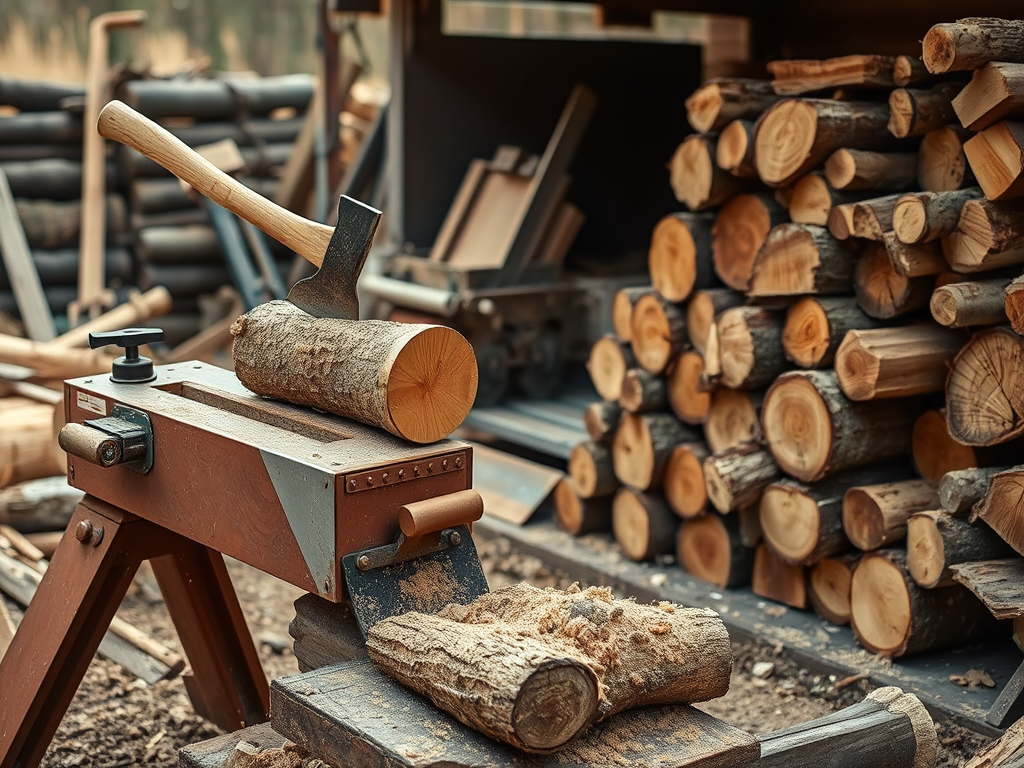

The Ultimate Guide to DIY Firewood Processing and Forest Management
Winter knocks early in places like the Rockies. Snow fell in Calgary just yesterday. That means it’s time to stock up on wood fast. You don’t want to scramble when the first big storm hits. This guide shows how one day of smart work can fill your shed and protect your land. It’s about heat for cold nights and keeping fire risks low. Self-reliance feels good when you handle it yourself.
Introduction: The Urgency of Wood Supply and Forest Health
The push for firewood starts now. Cold weather waits for no one. You see early snow nearby, and it lights a fire under you to act.
Why Immediate Firewood Collection Matters Now
Waiting for the first flake is a mistake. Roads get slick, and hauling wood turns tough. In colder spots, like around Calgary, snow hits without warning. Start now to beat the freeze. One good day yields enough for weeks. Think ahead—your warm cabin depends on it.
Gather wood before the ground freezes hard. That way, you move logs with less hassle. A full supply means peace when temps drop to zero. Don’t let laziness catch you short.
Beyond Heat: Fire Mitigation as a Core Task
Firewood work does more than warm you. It clears brush near your home. Keep at least 150 feet around the cabin free of dry stuff. Wildfires spread fast in dry forests. Chopping wood doubles as safety prep. You cut dead branches and thin out overgrowth.
This habit saves your property. Fires jump from brush to buildings quick. Mix fuel gathering with land care. It’s smart and keeps insurance happy. Your efforts pay off in safer summers too.
Section 1: Pre-Processing: Strategic Felling and Initial Breakdown
Clearing the Land: Felling Trees for Fuel and Space
Pick trees that block your plans. Some stand in the way of projects like expanding a dugout pond. A 20-foot square addition needs room. Those trees provide wood and open space. Fell them safely to avoid damage.
Use a sharp chainsaw for clean cuts. Wear gear—boots, gloves, helmet. One tree down means instant firewood plus cleared ground. It’s efficient when you match tasks.
Dead or leaning trees go first. They pose risks anyway. Felling ties into bigger goals, like better water storage. You gain fuel and improve your yard in one go.
Identifying Targets: Trees in the Way of Expansion
Spot trees near your build site. For a dugout extension, three might block the path. They block dirt work and access. Target them for removal.
Measure the area first. A 20-foot square dugout grows your water supply. Those trees become bonus wood. Plan cuts to fell away from structures.
Check for hazards like widow-makers—limbs that snag. Safe felling keeps you injury-free. This step blends practical needs with wood harvest.
The Initial Bucking Process: Making Manageable Chunks
Cut felled logs into short pieces next. Aim for five-foot lengths. They haul easier than full trunks. Drag them to your woodshed for final work.
Start at the base. Limb branches off first. Then slice the trunk. A good saw makes quick work.
This breaks big jobs into steps. Shorter chunks prevent back strain. Stack them near the shed. You’re set for the next phase.
Section 2: Transport and Staging: Efficiently Moving the Harvest
Utilizing Farm Equipment for Heavy Lifting and Transport
Heavy logs need smart moves. Don’t lug them by hand alone. Use what you have, like a quad or tractor. It saves time and sweat.
Load sections onto a trailer. Pull to the processing spot. Farm tools shine for off-grid life.
This method cuts effort in half. You focus on cutting, not carrying. Adapt gear to fit your setup.
The Role of the “Quad Trailer” Wheelbarrow Substitute
A quad trailer works like a big wheelbarrow. It hauls multiple loads at once. Skip the small cart for this.
Tow it behind your ATV. Pile on those five-foot chunks. One trip moves what takes hours on foot.
It’s rugged and simple. Grease the wheels for smooth runs. This trick boosts your daily output.
Staging for Success: Preparing Wood for Splitting
Build a pile at the shed. Sort rounds by size. Take a lunch break here—energy matters.
Eat a quick sandwich with spiced tea. Fuel up for hard work ahead. A short rest sharpens focus.
Your stack waits ready. This pause prevents burnout. Back at it, you split with fresh arms.
Section 3: The Fuel Processing Line: Cutting, Splitting, and Tool Mastery
Mastering the Firewood Workflow: From Rounds to Ready Stack
Turn raw logs into neat stacks. It starts with bucking, moves to splitting. End with organized rows in the shed.
Follow a clear order. Cut, split, stack. Each step builds on the last.
This flow makes big tasks doable. One day fills your winter needs. Stay steady for best results.
Power Tool Spotlight: The Importance of a Sharp Chainsaw
A 45cc chainsaw punches above its weight. It slices through thick trunks fast. Keep the chain sharp—that’s the secret.
Dull blades bind and tire you out. Sharpen after every few tanks. Oil the bar too.
Safety first: Grip firm, cut low. This tool earns its keep daily.
- Tip 1: File the chain at 30-degree angles.
- Tip 2: Check tension before each cut.
- Tip 3: Clean sawdust buildup often.
Good maintenance means fewer breaks. Your arms thank you.
The Two-Axe Method for Optimal Splitting
Grab a splitting maul for big rounds. It halves thick logs with one swing. Switch to a double-bit axe for finer work.
The maul’s weight drives deep. Position wood on a stump. Strike true to avoid glances.
Finish edges with the lighter axe. It splits kindling quick.
This combo handles all sizes. Practice swings build power. No fancy gear needed.
Efficient Stacking: Maximizing Shed Capacity
Split pieces go into the shed next. Stack tight to fit more. Aim for cross patterns to stay stable.
Fill rows from the back. Leave air gaps for drying. One day nets nearly three full rows.
Measure your space first. Wood seasons better off the ground. Use pallets if wet dirt.
Proper stacks last through winter. Rotate old stock to the front.
Section 4: The Value Proposition: DIY Firewood vs. Purchasing
Calculating the Return on Investment: Independence and Fitness
DIY wood beats buying for many. It costs time, not cash. A four-to-five-hour day yields a full load.
Buying runs $200 or more per cord. Add stacking fees. Your sweat saves dollars.
Weigh effort against freedom. Self-cut wood builds skills.
Time Investment vs. Financial Outlay
Spend half a day chopping. Compare to a job shift for buy money. Both take hours.
Purchased wood arrives green sometimes. You dry it anyway. DIY lets you pick dry stuff.
Stacks need your hands either way. Save by harvesting your land.
- Pros of DIY: Free fuel from your trees.
- Cons: Physical toll.
- Break-even: Two loads cover a buy.
Math favors the axe for landowners.
The Independence Factor: Tapping Your Own Resource
Your forest holds plenty. Deadfall and clearings provide endless supply. No trips to town.
Clear trails as you go. It manages land better. Fire risk drops too.
This way ties you to your place. Sustainable and free. Rely on yourself.
Physical Activity: Wood Processing as Essential Fitness
Chopping works every muscle. It’s better than gym runs. Stay fit or stiffen up quick.
Hard labor keeps you moving. Stop, and joints lock. Keep grooving to live long.
- Action step: Swing daily for cardio.
- Bonus: Builds grip strength.
- Warning: Warm up to dodge pulls.
Wood work is free exercise. Your body stays strong.
Conclusion: Keep Moving, Keep Grooving
A solid day stacks nearly three rows of wood. You prep for winter, clear fire paths, and stay fit. Self-reliance shines when you handle your heat.
This guide covers felling to stacking. Try it for independence. Grab your saw—start small.
Never quit your goals. Move daily. Your warm home awaits.
Leave a Reply