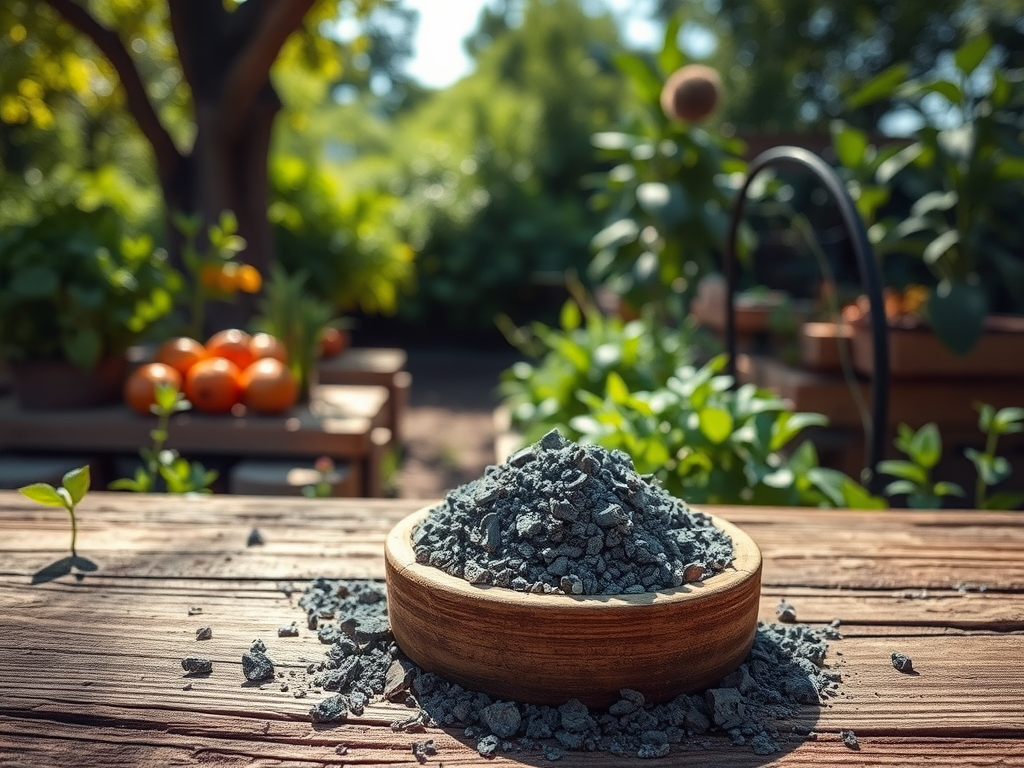

If you heat with a wood stove or spend time around a fire pit, you probably end up with buckets of wood ashes. Instead of tossing them out, wood ashes can be surprisingly useful. For centuries, people reused ashes as a practical resource for cleaning, gardening, and even safety.
Below are five smart and practical uses for wood ashes, especially useful for off-grid and rural living.
1. Natural Garden Soil Amendment
Wood ashes contain valuable nutrients such as potassium, calcium, and magnesium, making them beneficial for certain garden soils.
How to use:
- Sprinkle a light layer over garden beds
- Mix into compost or soil
- Best for acidic soils
Important tips:
- Do not use around acid-loving plants (blueberries, rhododendrons, potatoes)
- Avoid overuse—too much ash can raise soil pH too high
Best for: Vegetable gardens, fruit trees, and lawns needing a pH boost
2. Ice and Snow Traction in Winter
Wood ashes provide excellent traction on icy walkways and driveways during winter months.
Why it works:
- Creates grip on slippery surfaces
- Dark color absorbs sunlight, helping melt ice faster
How to use:
- Sprinkle ashes on icy paths, steps, and driveways
- Store ashes in a sealed metal bucket for winter use
Bonus: Unlike salt, ashes won’t damage concrete or nearby plants.
3. Natural Odor Control
Wood ashes can absorb odors and moisture, making them useful as a natural deodorizer.
Uses include:
- Adding a small container of ashes to an outhouse
- Sprinkling in compost toilets
- Reducing smells in garbage cans or animal areas
Tip: Always use cool, dry ashes to avoid fire risk.
4. Cleaning and Polishing
Fine wood ashes act as a mild abrasive, making them effective for cleaning certain surfaces.
Common uses:
- Polishing glass and metal
- Cleaning fireplace glass
- Removing grease from pots and pans
How to use:
- Mix ashes with a little water to make a paste
- Apply with a cloth, then rinse thoroughly
Note: Avoid using ashes on delicate or painted surfaces.
5. Pest Deterrent and Animal Control
Wood ashes can help deter certain pests in gardens and around buildings.
Examples:
- Create a barrier against slugs and snails
- Discourage ants near entry points
- Sprinkle lightly around chicken coops to reduce odors and insects
Caution: Reapply after rain and avoid heavy buildup in one area.
Safety Tips When Using Wood Ashes
- Use only ashes from untreated wood
- Never use ashes from painted, stained, or pressure-treated lumber
- Store ashes in a metal container with a tight lid
- Ensure ashes are completely cool before handling
Final Thoughts
Wood ashes are a valuable byproduct of heating with wood. Whether you’re improving soil, staying safe in winter, or reducing waste, reusing ashes is both practical and environmentally friendly. For off-grid homes and homesteads, it’s another way to make the most of what you already have.
Leave a Reply