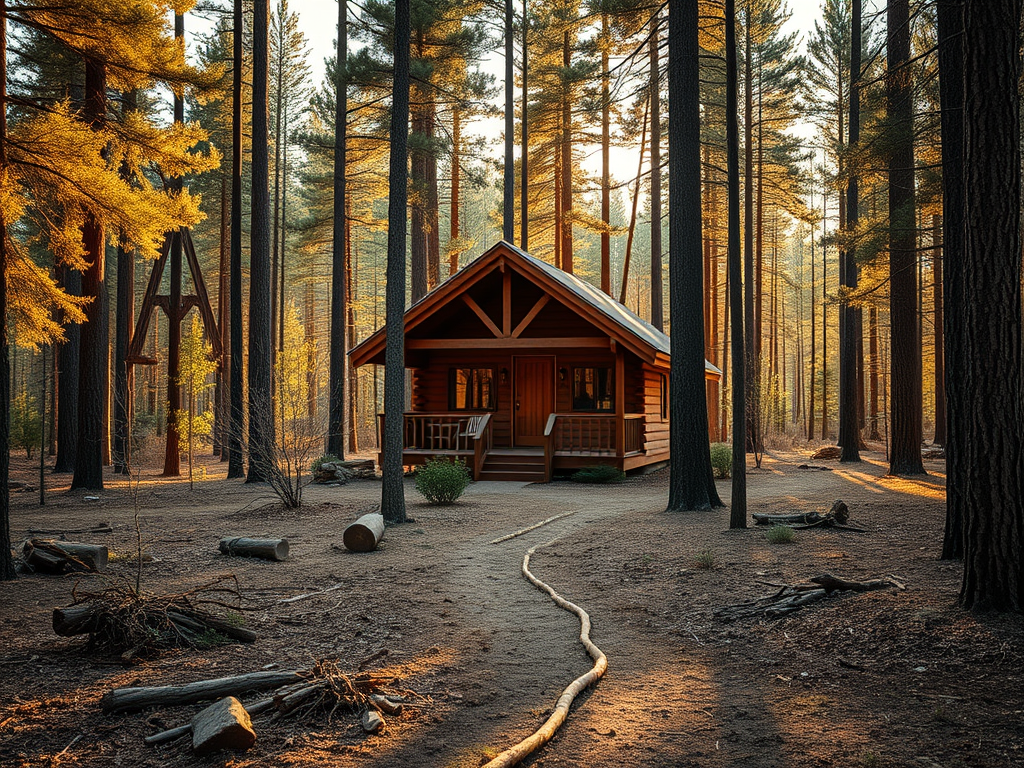

Living off-grid in the forest offers peace, privacy, and a deep connection to nature. But it also comes with real responsibilities—one of the biggest being fire safety. Whether it’s wildfire season, a dry fall, or a wood stove burning day and night through winter, fire is always part of off-grid life. Managed properly, it’s your greatest tool. Left unchecked, it can become your biggest threat.
Fire safety for an off-grid cabin isn’t about fear—it’s about preparation, awareness, and working with the land instead of against it. In this guide, we’ll walk through practical, real-world steps to reduce fire risk while still living comfortably and self-sufficiently in a forested setting.
Understanding the Fire Risk of Forest Living
Forests are naturally fire-prone environments. Deadfall, dry brush, pine needles, wind, and seasonal drought all contribute to increased risk. When you live off-grid, emergency response times are often longer, water access may be limited, and power outages can disable modern safety systems.
That means prevention matters more than reaction.
The goal isn’t to remove the forest—it’s to manage it. A fire-safe cabin blends into the landscape while creating defensible space, reducing fuel sources, and ensuring you can respond quickly if something goes wrong.
Creating Defensible Space Around Your Cabin
Defensible space is the most important fire safety measure you can take. This is the buffer zone between your cabin and the surrounding forest that slows or stops the spread of fire.
Zone 1: Immediate Area (0–5 feet)
This zone should be kept as clear as possible.
- Remove dry leaves, pine needles, and debris
- Avoid stacking firewood against cabin walls
- Keep grass short or replace it with gravel or bare soil
- Trim branches that hang over the roof
- Clean gutters regularly
This zone is where embers are most likely to ignite materials during a wildfire.
Zone 2: Near Zone (5–30 feet)
Here, the goal is to reduce fuel density.
- Thin small trees and saplings
- Remove dead or dying vegetation
- Trim lower branches up to 6–10 feet from the ground
- Space trees so crowns don’t touch
- Create walking paths or breaks in vegetation
This area can still look natural, but it shouldn’t feel overgrown.
Zone 3: Extended Zone (30–100 feet)
This zone focuses on slowing fire spread.
- Clear heavy underbrush
- Remove fallen logs and dense brush piles
- Maintain trails or access paths
- Encourage healthy, spaced growth
Even gradual improvements here can make a huge difference.
Managing Forest Paths for Fire Safety and Firewood
Overgrown forest paths are both a hazard and a missed opportunity. Clearing them improves access, reduces fuel buildup, and provides a steady supply of usable firewood.
When maintaining paths:
- Cut back brush and thorny growth
- Trim low-hanging branches
- Remove deadfall and downed trees
- Stack usable wood away from structures
- Chip or burn brush piles safely when conditions allow
These paths act as natural fire breaks and make it easier to move equipment or evacuate if needed.
Choosing Fire-Resistant Cabin Materials
If you’re building or upgrading an off-grid cabin, material choices matter.
Roofing
- Metal roofs are ideal
- Avoid untreated wood shingles
- Keep roofs clear of debris
Siding
- Metal, fiber cement, or log construction performs better than thin wood siding
- Seal gaps where embers could enter
Decks and Porches
- Use fire-resistant materials
- Keep the area beneath decks clear
- Avoid storing items underneath
Even small upgrades can greatly reduce risk.
Wood Stove and Chimney Safety
Wood heat is the heart of many off-grid cabins, but it’s also one of the most common causes of cabin fires.
Best practices include:
- Cleaning chimneys at least once per season
- Using proper stove pipe clearances
- Installing heat shields where needed
- Burning only seasoned, dry wood
- Never overfiring the stove
A chimney fire in a remote location can be devastating, so prevention is critical.
Firewood Storage Done Right
Firewood should be convenient—but never dangerous.
- Stack wood at least 20–30 feet from the cabin
- Elevate it off the ground
- Cover the top but leave sides open for airflow
- Rotate stock so older wood gets burned first
- Avoid bringing large amounts indoors
Bringing in only what you need reduces insects and fire risk.
Emergency Water and Fire Tools
Off-grid means no hydrants and limited resources, so you need backups.
Consider having:
- Rainwater barrels or tanks
- A gas-powered or manual water pump
- Buckets staged around the property
- Fire extinguishers in the cabin and outbuildings
- Shovels and rakes for small ground fires
Even a few hundred gallons of stored water can buy valuable time.
Campfires and Outdoor Burning
Fire is a daily tool off-grid, but it must be respected.
Safe practices include:
- Only burning during safe weather conditions
- Keeping fires small and controlled
- Clearing a wide area down to bare soil
- Never leaving a fire unattended
- Fully extinguishing fires with water and stirring ashes
When in doubt, don’t burn. One careless moment can undo years of work.
Seasonal Fire Safety Considerations
Fire risk changes throughout the year.
Spring
- Clear winter debris
- Inspect chimneys and roofs
- Remove deadfall from storms
Summer
- Stay alert during dry periods
- Avoid sparks from equipment
- Monitor weather and wind
Fall
- Prepare defensible space
- Stack firewood safely
- Finish major clearing projects
Winter
- Focus on stove safety
- Keep exits clear of snow
- Watch for creosote buildup
Fire safety is ongoing, not seasonal.
Planning for Evacuation (Even If You Hope Never To)
No one wants to think about leaving their cabin behind, but having a plan brings peace of mind.
- Keep a clear driveway or trail
- Maintain access for vehicles
- Know multiple exit routes
- Have important items ready to grab
- Practice mentally what you’d do under stress
Preparation reduces panic—and panic causes mistakes.
Living With the Forest, Not Against It
Fire safety doesn’t mean stripping the land bare or turning your homestead into a gravel pit. It’s about thoughtful stewardship.
By managing vegetation, maintaining paths, respecting fire, and staying aware of conditions, you can live safely and confidently off-grid in the forest. These tasks become part of the rhythm of life—clearing brush in spring, stacking wood in fall, tending fires in winter.
Fire is part of the land. When respected and managed, it becomes a tool rather than a threat.
Leave a Reply