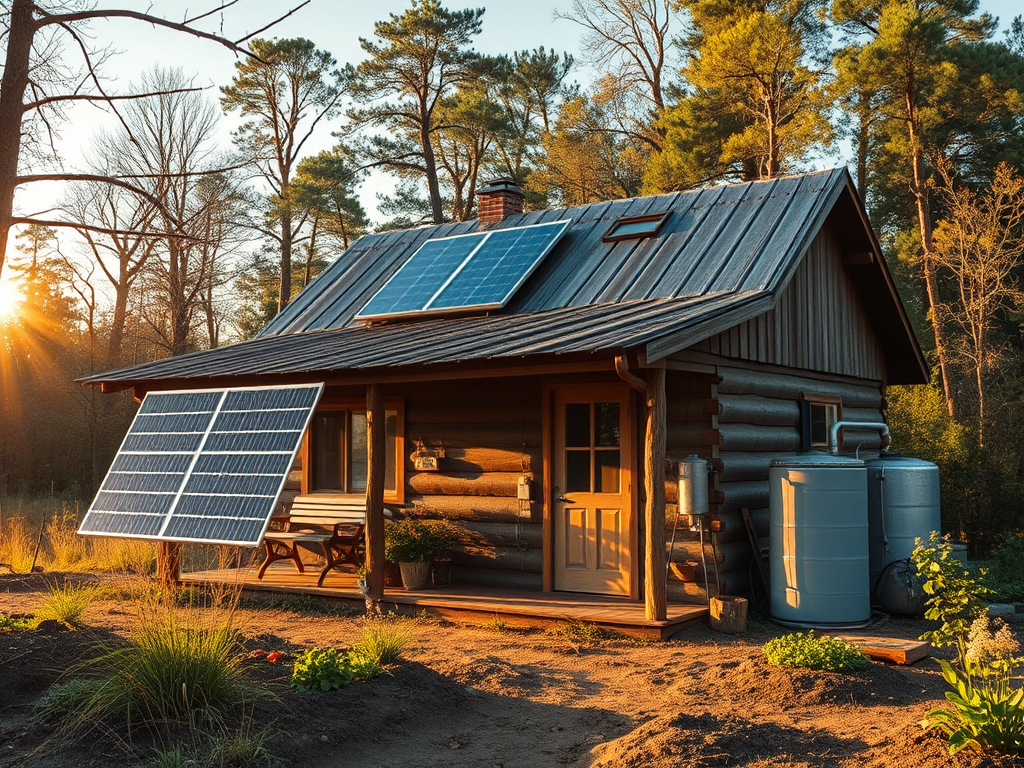
You’ll discover practical lessons that make off-grid life doable, not just romantic. You learn which systems actually matter, how to stretch limited resources, and simple routines that keep your home running without constant help. That knowledge saves time, money, and worry when you live away from the grid.
Expect clear, usable tips on power, water, food, shelter, money, and staying sane when isolation grows heavy. Each lesson grew from everyday problems and steady fixes, so you can apply them whether you’re planning a year away or testing a weekend experiment.
Adapting to the Off-Grid Lifestyle
You will shift habits, expectations, and routines to match limited resources and more manual systems. Small daily changes add up: how you use water, power, and time will shape your days.
Managing Expectations
You need clear goals for comfort, independence, and budget before you move. Decide what systems matter most: solar with batteries, a generator backup, or hauling water by hand. List non-negotiables (reliable refrigeration, hot water, phone charging) and plan systems to meet them.
Expect slower fixes and more DIY. Parts and professional help may take days to arrive. Build a simple maintenance schedule: weekly battery checks, monthly water-filter swaps, and seasonal roof inspections. Buy basic spares: hoses, fuses, filter cartridges, and a small tool kit.
Track your actual energy and water use for two weeks. Measure watts and liters, then adjust appliances and habits. This lets you balance comfort with system limits instead of guessing.
Daily Routines Transformation
Your daily rhythm will center on resource timing and chores. Morning tasks often include checking batteries, pumping water, or tending a stove. Schedule high-energy tasks—laundry, tool charging—during peak sun to use solar efficiently.
Break tasks into short blocks to avoid burnout. You might do 20 minutes of wood stove prep, then 30 minutes of garden work, then a battery check. Use lists or a simple whiteboard to keep routines visible.
Make small habit swaps: rinse dishes immediately to save water, line-dry clothes to save energy, and batch-cook to reduce stove use. These habits cut waste and free time later in the day.
Overcoming Initial Challenges
Expect a steep learning curve the first months. Prioritize fixes that restore basic comfort: a leaky plumbing joint, a dead battery, or a clogged filter. Tackle one problem at a time and document what you change.
Build a reference kit: user manuals, a notebook of system voltages and fluid levels, and contact info for suppliers. Photograph wiring and plumbing before changes so you can revert if needed.
Reach out to local networks or online forums for quick tips. Many issues have simple fixes others have documented. Stay patient: most problems become manageable with a little practice and the right spare part.
Energy Independence Strategies
You need reliable power, a plan to keep it running, and everyday habits that stretch every kilowatt. Focus on the right mix of generation, proper upkeep, and simple behavior changes to make off-grid power practical.
Selecting Renewable Energy Sources
Decide what fits your location and load first. Solar panels work well in sunny areas and scale from a few panels to full arrays; wind turbines add value if you get steady wind above ~9 mph. Run simple load charts for a week to total daily watt-hours. Use that number to size panels, batteries, and an inverter.
Pick battery chemistry by trade-offs: lead-acid is cheaper up front but needs more maintenance and cycles; lithium costs more but lasts longer and stores more usable energy. Choose an inverter that matches peak loads — include a short surge margin for motors, pumps, or well systems. Consider a small generator or propane backup for extended cloudy periods, and place all gear in a ventilated, weatherproof enclosure.
Maintaining Power Systems
Create a maintenance schedule and stick to it. Check panel mounts, wiring connections, and combiner boxes every 3–6 months. Clean panels as needed; dust and bird droppings can cut output quickly.
Inspect battery voltage, fluid levels (for flooded batteries), and temperature weekly in extreme seasons. Test inverter error logs and firmware updates quarterly. Keep spare fuses, MC4 connectors, and a basic multimeter on hand. Label circuits and keep a paper diagram of your system near the main switch. Good records of production and consumption help spot faults early.
Learning Energy Conservation Habits
Shift heavy loads to sunshine hours when possible. Run washing machines, water pumps, and charging during peak production. Use LED lighting, propane or wood for heating and cooking when appropriate, and choose low-watt appliances.
Adopt simple behaviors: lower water heater temps, unplug chargers when unused, and set refrigerators to an efficient range (around 36–38°F). Use timers and smart plugs to avoid phantom loads. Measure results with a clamp meter or whole-house monitor so you see the savings and adjust habits that waste power.
Water Sourcing and Management
You’ll focus on where water comes from, how to make it safe, and how to use much less. Pay attention to storage, simple filtration, and daily habits that cut demand.
Rainwater Harvesting Techniques
Install a roof catchment system with at least one downspout filter and a first-flush diverter to keep leaves and bird droppings out of your tank. Use corrugated metal or clean, non-treated roofing; avoid tar or treated wood that can leach chemicals.
Choose tank size based on local rainfall and household use. For example, if you use 50 gallons per person per day and get 30 inches of rain yearly, a 5,000–10,000 gallon tank usually gives good buffer. Place tanks on a level, compacted pad or concrete stand to avoid settling.
Screen vents and add an overflow routed away from foundations. Maintain the system by cleaning gutters twice a year, inspecting seals, and treating standing water with UV or chlorination if needed. Label potable vs. non-potable outlets and keep a small pump and pressure tank for steady household pressure.
Water Purification Methods
Start with a mechanical pre-filter (20–5 micron) to remove sediment. Follow with one or more of these: activated carbon to remove tastes/organic compounds, ceramic or hollow-fiber microfilters for bacteria, and UV or chemical disinfection for viruses. Stack treatments in that order for reliability.
Use UV systems with clear pre-filtered water and stable power; they need low turbidity to work. For chemical disinfection, 8 drops of household bleach (5–6% sodium hypochlorite) per gallon and a 30-minute contact time works for clear water. Test residual chlorine before drinking.
Keep spare filters, replacement lamps, and test kits on hand. Periodically test for bacteria, nitrates, and pH—especially after heavy rains or well work. Mark treated water containers and store them off the ground in the shade.
Reducing Water Consumption
Cut indoor use by installing low-flow showerheads (1.5–2.0 gpm) and a 1.28–1.6 gpf toilet or a composting toilet. Take navy showers: wet, turn off, lather, rinse—this can save 50–80% of shower water. Fix even small leaks; a drip of one drop per second wastes over 2,600 gallons a year.
Reuse greywater from sinks and showers for irrigation with a simple diverter and coarse filter, keeping soaps low in salts and boron if you irrigate food crops. Collect rinse water from washing vegetables to water plants directly.
Use bucketed water for tasks like flushing or washing when possible. Meter your usage weekly for a month to find big users and adjust habits. Small routine changes add up and reduce how much storage and treatment you need.
Food Production and Preservation
You’ll plan for steady harvests, preserve surplus without power, and store staples so they last through lean months. Focus on what you can grow well, how you’ll eat by season, and simple, reliable storage methods.
Growing Your Own Food
Start with a small, productive plot: 100–200 square feet can feed one person part of the year. Prioritize high-yield, nutrient-dense crops: potatoes, carrots, beans, kale, tomatoes, and garlic. Plant in succession: sow quick crops (radishes, lettuce) between slower ones (tomatoes, squash) to keep harvests steady.
Use raised beds or mounded rows to improve drainage and warm the soil faster. Amend annually with compost and test pH to keep nutrients balanced. Save seeds from your best plants to cut costs and adapt varieties to your microclimate.
Add vertical supports for beans and trellised cucumbers to maximize space. Protect young plants with row covers against late frost or pests. Keep a weekly log of planting dates and yields so you learn what works.
Seasonal Eating Adaptation
Plan meals around what’s ripe that week. Freeze-dryable or fermentable crops like cabbage and apples let you shift calories into winter. In summer, center meals on fresh tomatoes, greens, and beans; use herbs and pickles to vary flavors.
Adjust your planting calendar to extend the season: start seedlings indoors 4–6 weeks early, use cold frames for fall greens, and plant quick-turn crops in late summer for autumn harvest. Rotate crops yearly to reduce disease and balance soil nutrients.
Map a simple meal rotation: 2–3 recipes that reuse preserved items (canned tomatoes, dried beans, fermented vegetables). That reduces waste and simplifies cooking when supplies run low or weather limits foraging.
Long-Term Food Storage
Keep three tiers of storage: immediate (2–4 weeks fresh), mid-term (6–12 months canned, dried), and long-term (multi-year staples). Store staples like rice, beans, wheat, salt, and oil in airtight containers with oxygen absorbers and a cool, dark place.
Use these methods without electricity:
- Canning: water-bath for acids, pressure canner for low-acid foods.
- Drying: solar dehydrator or low-heat oven for fruits, herbs, and jerky.
- Fermentation: kraut, pickles, and yogurt in sealed crocks.
Label everything with date and contents. Rotate stock using FIFO (first in, first out). Monitor for pests and moisture monthly and keep a small toolkit for resealing jars and repairing barrels.
Building and Shelter Lessons
You need a shelter that saves energy, sheds weather, and makes daily tasks easier. Prioritize usable layout, durable materials, and tight seals to cut maintenance and energy needs.
Designing Functional Spaces
Focus on zones: sleeping, cooking, storage, and work. Place the stove and food storage close together to reduce steps and improve safety. Keep a clear path at least 30–36 inches wide between zones so you can move with tools or a loaded bucket.
Use multi-use furniture: a bench that stores gear, a table that folds down to become a prep surface, and a bed with drawers underneath. Mount hooks and pegboards on walls for tools and kitchenware to free floor space. Plan for electrical and water runs before finishing walls so you don’t open them later.
Make a small mechanical room or closet for batteries, inverter, and water pump. Label switches and shutoffs. Design windows to face the sun you want for passive heat or light, and shade them where you don’t.
Insulation and Weatherproofing
Seal all gaps where air can leak: around windows, doors, plumbing, and electrical penetrations. Use foam backer rod and caulk for small gaps and expanding spray foam for larger voids. Check seals after the first winter and re-seal as needed.
Choose insulation by R-value for your climate: higher R for cold winters, moderate R for mild climates. Install a continuous air barrier—house wrap or taped sheathing—to stop drafts. Add a vapor barrier on the warm side in cold climates to avoid moisture in cavities.
Protect the exterior with durable cladding and a good roof underlayment. Flash windows and doors properly to prevent water intrusion. Keep roof overhangs or simple gutters to direct water away from the foundation and reduce rot risks.
Financial Realities and Budgeting
You need to plan for big one-time costs, steady monthly spending, and random emergency bills. Knowing exact figures for solar, water, and repairs helps you avoid surprises.
Initial Investments
Expect major up-front costs that often include solar panels, battery bank, charge controller, inverter, and installation. A modest 3–5 kW solar setup with batteries and basic wiring can run $12,000–$25,000 depending on new vs. used gear and whether you do installation yourself.
If you need a well or rainwater catchment, budget $5,000–$15,000 for drilling, pump, and storage tanks. Add $3,000–$10,000 for septic or composting toilet systems if the property lacks hookup.
Tools, hand pumps, and backup generators add another $1,000–$5,000. Spread these costs across savings, a small loan, or phased upgrades—start with essentials (power, water, heat) and upgrade later. Track receipts and part numbers so you know replacement costs later.
Ongoing Costs
You will still spend money each month even without a utility bill. Expect to budget for fuel for a generator ($30–$150/month), propane for cooking/heating ($20–$120/month), and periodic battery maintenance or replacement savings ($30–$100/month set aside).
Internet or cell boosters often cost $40–$100/month. Groceries may rise if you trade store access for bulk buys and lower food miles.
Plan annual line items: insurance, property taxes, and fuel for vehicles used to access town. Create a simple spreadsheet listing monthly and yearly amounts so you can see cash flow and adjust lifestyle choices like how much propane you use or whether to grow more of your food.
Unexpected Expenses
Set aside an emergency fund equal to 3–6 months of your living costs. Common surprises include inverter failure, rodent damage to wiring, well pump replacement, or roof repairs after weather events. These can cost $200–$8,000 depending on the part and labor.
Have spare parts on hand for critical systems: fuses, inverter fuses, pump seals, and a basic tool kit. Know local service providers and their typical fees before you need them. If you keep a small contingency savings and a prioritized repair list, you can decide fast between DIY fixes and hiring help.
Self-Reliance and Problem-Solving
You will rely on your own judgment and tools to fix things fast and learn practical skills that keep your home running. Expect to troubleshoot power, water, and tools with limited parts and no quick help.
Repairing and Maintaining Equipment
You will inspect and service critical gear weekly. Check solar panels for debris and loose connections, tighten rack bolts, and clean panels with a soft brush and water. Keep a log of battery voltages, inverter error codes, and fuel levels so you spot trends before failures.
Carry a basic tool kit: multimeter, adjustable wrench, wire crimper, spare fuses, hose clamps, and a portable battery pack. For engines and pumps, learn oil change intervals, spark plug gaps, and simple carburetor cleaning. When parts break, measure and record part numbers—many rural hardware stores can order specific items faster than you expect.
Use preventive checks: test backup generator under load every month, run water pumps briefly to circulate seals, and winterize exposed plumbing. When a repair needs a part you don’t have, improvise safely with temporary fixes (hose clamps, zip ties, sealed tape) while sourcing the correct replacement.
Learning New Skills
You will add concrete skills quickly because you depend on them every day. Start with plumbing basics: how to shut off valves, replace a washer, and clear a small clog. Move on to electrical skills like changing breakers, reading a wiring diagram, and isolating a circuit safely.
Practice small projects to build confidence. Replace a damaged solar charge controller, splice 10 AWG wiring with proper lugs, or rebuild a water pump seal. Use manuals and short video guides for step-by-step visuals, then repeat the work until it feels routine.
Keep a skills notebook with step-by-step procedures, torque values, and safety checks. Trade skills with neighbors or swap lessons online to fill gaps faster. Prioritize skills that keep you warm, fed, and powered first.
Community and Isolation
You will need people and quiet in different measures. Practical help, trades, and social time keep life running. Alone time lets you recharge and solve problems.
Building Local Networks
Start by mapping your nearest neighbors, farmers, and service providers. Exchange contact info and list each person’s skills — electrician, mechanic, welder, carpenter, or heavy-equipment driver. Keep a small printed directory in your home and a digital copy on your phone or backup drive.
Set up regular swaps and skill shares. Trade eggs, firewood, or labor for repairs. Plan one monthly meet-up or work party to maintain fences, clear brush, or check solar arrays. These routines build trust and make help predictable.
Use clear expectations for favors. Agree on time, cost, and materials before work starts. That prevents misunderstandings and keeps relationships practical and steady.
Coping with Solitude
Create a daily routine that balances tasks and breaks. Schedule chores like water hauling, generator checks, and garden work early to free the late afternoon for reading, calls, or hobbies. Predictable structure reduces stress and keeps systems running.
Keep at least three ways to reach people: a cell phone, a battery radio, and a satellite or HF option if you’re remote. Test them monthly and keep spare batteries and chargers in one labeled kit.
Build emotional supports: one or two close friends you call weekly, a local group you can visit, and online communities for technical questions. If loneliness grows, plan short trips to town or invite someone to stay for a weekend.
Mental and Physical Well-Being
You will learn how reducing possessions and changing routines affects mood, focus, and stress. You will also get practical steps to keep your body strong when medical help and gyms are far away.
Adjusting to Minimalism
Living with fewer things shifts your daily decisions. You’ll own only tools and gear you use often, so shopping drops and clutter disappears. This cuts small daily stresses like lost items or overflowing closets.
Expect a mental adjustment in the first months. You may grieve items you gave up, then notice clearer thinking and more time for hobbies. Keep a simple system: one box for things you miss, a 30-day rule before buying, and a list of truly useful items.
Use routines to replace consumer habits. Schedule weekly maintenance, a single food-buying trip, and a set place for papers and tools. These choices lower anxiety and increase a sense of control.
Staying Healthy Off-Grid
You control most health factors: sleep, food, movement, and hygiene. Prioritize sleep by keeping a regular bedtime, blackout curtains or eye mask, and quiet hours around generator use. Good sleep steadies mood and thinking.
Eat a mix of shelf-stable staples and fresh produce when available. Rotate canned beans, rice, oats, and frozen vegetables. Grow easy vegetables like lettuce, chard, and herbs to boost vitamins and morale.
Build simple daily exercise into chores. Carry water, split wood, and walk the property for 20–40 minutes. Add 2–3 short bodyweight sessions per week for strength and injury prevention.
Plan for emergencies. Keep a basic first-aid kit, extra prescription meds, and contacts for a nearby clinic. Learn wound care, heat- and cold-weather safety, and how to recognize signs of depression or fatigue so you act early.
Reflecting on Long-Term Sustainability
You learned practical habits, system limits, and where to invest time and money. You can use those lessons to plan upgrades, reduce risks, and set realistic goals for living off-grid.
Adapting for the Future
You must plan for changing weather, equipment wear, and shifting needs. Start by tracking real energy and water use for a year. That data tells you whether to add battery capacity, a larger solar array, or a rainwater catchment upgrade.
Make small, staged upgrades instead of one big purchase. For example, add one extra battery bank now and a second inverter later. That spreads cost and lets you see if the change actually improves reliability.
Build redundancy for critical systems. Keep a backup propane stove or a small generator for long cloudy stretches. Store spare parts—pump seals, charge controllers, fuses—so a simple failure doesn’t become a multi-day outage.
Train anyone who shares the site. Simple checklists for daily checks, seasonal maintenance, and emergency steps cut mistakes. You’ll also want a plan for medical care, internet access, and winter heating that scales with your location and family size.
Evaluating Success and Failures
You need clear metrics to judge how well off-grid life works for you. Use measures like days without grid power, monthly fuel and propane use, average battery depth of discharge, and total annual food produced on-site. Numbers make trade-offs obvious.
Log frustrations and surprises too. Note repeated failures such as clogged filters, inverter trips, or frozen pipes. Those items point to design flaws or maintenance gaps you can fix with modest cost and effort.
Balance quality-of-life gains against labor and cost. If growing 50% of your vegetables costs you many hours and constant pest control, decide if partial market purchases would be smarter. Keep a repair budget and a contingency fund for unexpected replacements.
Use that data to set one-year and five-year goals. Aim for specific targets—like reducing propane use by 30% or increasing battery autonomy to three days—so you can track real progress and adapt plans based on measured outcomes.
Leave a Reply