
When you’re living off-grid or preparing for long-term survival situations, finding reliable food sources becomes one of your biggest challenges. Self-sufficiency means moving beyond grocery store runs and learning to feed yourself and your family directly from the land.
This guide is for off-grid enthusiasts, homesteaders, and anyone serious about building sustainable food systems in remote locations. Whether you’re planning a complete lifestyle change or preparing for emergency scenarios, mastering these skills can make the difference between thriving and just surviving.
We’ll walk through essential fishing techniques that provide consistent protein sources year-round, plus proven hunting strategies for securing larger game when you need substantial meat reserves. You’ll also discover how to develop sustainable farming systems that keep producing food season after season, along with practical foraging methods to supplement your diet with wild foods that grow right around you.
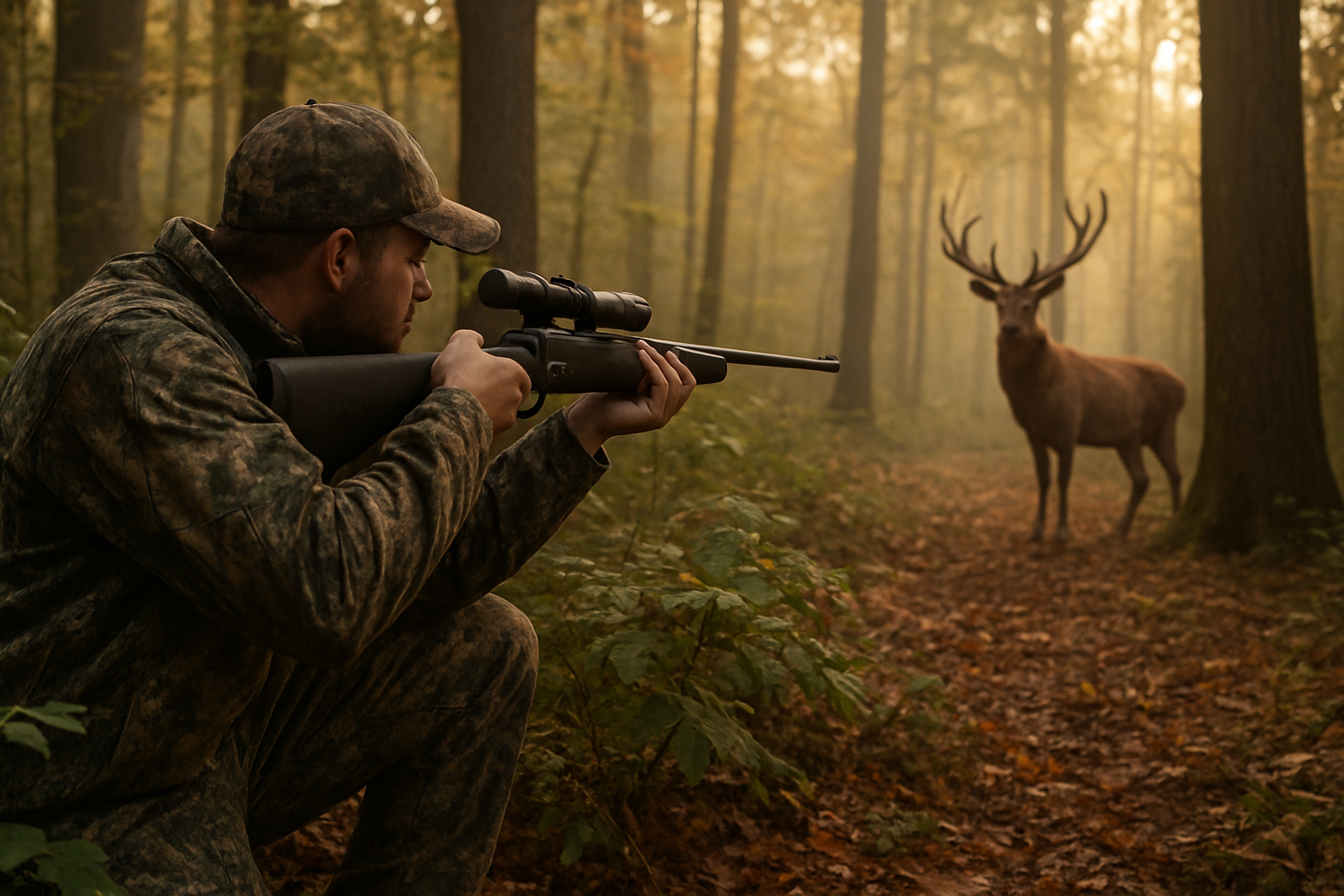
Execute Proven Hunting Strategies for Large Game Harvesting

Master Tracking and Stalking for Silent Approaches
Tracking and stalking represents one of the oldest hunting methods, requiring patience and keen observation skills. This technique involves carefully reading animal tracks and prints to understand movement patterns, feeding habits, and preferred routes through the terrain. Once you’ve identified these patterns, the next phase involves silently stalking your prey while utilizing natural cover elements like trees, large rocks, and terrain features to remain undetected.
The key to successful stalking lies in moving slowly and deliberately, taking advantage of wind direction to mask your scent, and timing your movements when prey animals are distracted by feeding or other activities. This method demands significant skill development but can be highly effective for securing large game like deer, elk, and wild hogs.
Use Baiting and Calling Techniques for Luring Game
Baiting involves strategically placing an animal’s preferred food source in a clearing to facilitate a clean and comfortable kill. While this method remains controversial and is illegal in some states, it’s considered reasonable for subsistence hunting situations where food security is the primary concern. The technique allows hunters to predict where animals will appear, increasing success rates significantly.
Calling complements baiting strategies by using devices that mimic specific animal sounds to lure targeted creatures toward waiting hunters. Common calls include duck, rabbit, and deer calls, each designed to replicate sounds that attract specific species. This method is often used in conjunction with hunting blinds or tree stands, creating an effective combination for consistent results.
Set Up Hunting Blinds in High-Traffic Animal Areas
Hunting blinds provide essential concealment, constructed from wood or tent-like materials that allow hunters to remain undetected in areas with high animal traffic. These structures can be positioned on the ground or elevated on stilts, depending on terrain and target species requirements.
Optimal blind placement occurs in wooded areas near established animal trails or at transition zones where woods meet open fields. These locations naturally concentrate animal movement, providing consistent hunting opportunities. The blind serves as a stationary platform, allowing hunters to wait patiently while remaining completely hidden from approaching game.
Deploy Driving and Flushing Methods for Group Hunts
Driving involves coordinated efforts where hunters on foot or horseback, sometimes accompanied by dogs, systematically push animals from one location toward predetermined positions where additional hunters wait. This technique requires careful planning and communication among hunting party members to ensure safety and effectiveness.
Flushing utilizes dogs, noise, or excessive movement to scare hidden animals out of dense cover areas. This method proves particularly effective for birds, deer, and rabbits that prefer to remain concealed in thick vegetation. The sudden disturbance forces animals into open areas where waiting hunters can take clean shots.
Utilize Trapping Systems for Low-Energy Food Collection
Trapping systems offer a low-energy technique for securing food off-grid, providing an efficient alternative to active hunting methods. These trigger-armed devices are strategically placed in remote locations and checked periodically, allowing hunters to pursue other survival activities while traps work independently.
Trapping systems effectively capture smaller animals that provide both meat and valuable fur. The fur can be processed for clothing or potentially sold commercially, adding versatility to this hunting method. This approach proves especially valuable during winter months when other food sourcing activities become more challenging, providing consistent protein sources with minimal energy expenditure.
Navigate Legal Requirements and Environmental Concerns
Obtain Proper Hunting and Fishing Licenses
Now that we’ve covered the various methods for sourcing food off-grid, it’s crucial to understand the legal framework governing these activities. Awareness of and obtaining proper local licensure and permits are necessary for both fishing and hunting. Depending on your location, state or federal hunting licenses may be required, and these requirements can vary significantly between jurisdictions. Before engaging in any subsistence activities, research your local regulations thoroughly and ensure all necessary documentation is current and properly displayed during your activities.
Follow State and Federal Wildlife Regulations
All forms of fishing, including artisanal methods, are generally regulated in every state, and subsistence hunting may require state or federal licenses. Following rules and guidelines is crucial to avoid fines or loss of privileges. This includes adhering to legal limits for fish species and specific deer hunting regulations, such as targeting bucks according to local guidelines. Be particularly aware that poaching and hunting on federally managed lands carry severe penalties and represent negative aspects of off-grid food sourcing that must be avoided at all costs.
Practice Sustainable Resource Management
With proper licensing in place, focus on sustainable practices that benefit both your food security and the environment. Artisanal fishing promotes cultural protection, economic sustainability, respect for native biodiversity, and preservation of local fishing knowledge. These traditional methods help reduce bycatching and enable better management of local resources. Similarly, proper hunting practices and subsistence farming contribute to economic stability while maintaining respect for biodiversity and improving local ecosystems through responsible stewardship.
Prevent Overharvesting and Environmental Damage
Previously covered methods must be implemented with careful consideration of their environmental impact. Key concerns include environmental destruction caused by continuous dredging and bycatching in fishing operations. In farming, possible soil erosion can degrade land quality over time. Hunting-related concerns encompass overhunting, night hunting, and poaching activities. Sustainable practices specifically aim to prevent these damages through measured harvesting, rotation of fishing areas, soil conservation techniques, and adherence to seasonal hunting restrictions.
Maintain Biodiversity and Ecosystem Balance
Practices in fishing, farming, and hunting should respect the native biodiversity of local regions and protect the property’s ecosystem. General guidelines, particularly in deer hunting, are specifically aimed at improving the local ecosystem rather than merely extracting resources. This means understanding carrying capacity, maintaining predator-prey relationships, and ensuring that your subsistence activities contribute positively to the overall health of the environment you depend upon for long-term survival.

Successfully sourcing food off-grid requires mastering multiple complementary approaches rather than relying on a single method. By developing proficiency in fishing techniques, establishing sustainable farming systems, implementing proven hunting strategies, raising livestock, and understanding natural foraging opportunities, you create a robust food security network that can withstand seasonal variations and unexpected challenges. Each method brings unique advantages – from the consistent protein of well-managed fishing spots to the renewable resources of properly raised livestock.
The path to food independence demands careful planning, legal compliance, and respect for environmental sustainability. Start with the techniques that best suit your location, skills, and resources, then gradually expand your capabilities over time. Remember that off-grid living isn’t about perfecting one approach, but rather building redundancy across multiple food sources. Whether you’re preparing for long-term homesteading or developing emergency preparedness skills, these time-tested methods will provide the foundation for reliable, renewable nutrition that keeps you and your family fed year-round.
Leave a Reply