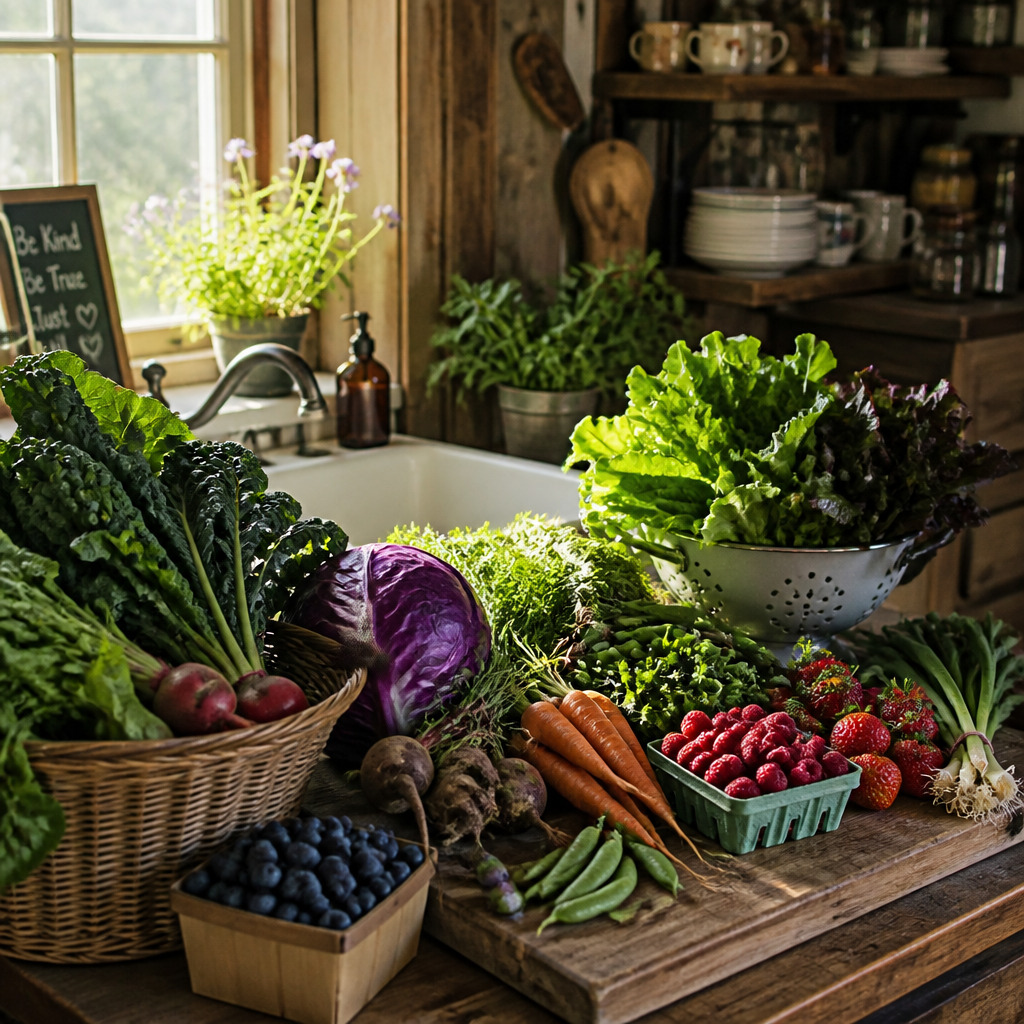
Chronic inflammation quietly drives some of the most serious health conditions facing homesteaders and off-grid families today, from joint pain that limits physical work to cardiovascular disease and metabolic disorders that erode long-term resilience. The frustrating part is that most people eating what they believe is a “healthy” diet are still feeding low-grade inflammation every single day. The evidence is now clear: the right anti-inflammatory foods, chosen deliberately and eaten consistently, can measurably reduce the biomarkers that drive chronic disease. This guide cuts through the supplement hype and gives you a practical, science-grounded shopping framework built around what you can grow, forage, ferment, and source close to home.
Table of Contents
- What Is Chronic Inflammation and Why Does Diet Matter
- Key Bioactive Compounds That Actually Work
- Top Functional Foods to Prioritize on Your Shopping List
- Fermented Foods and the Gut-Inflammation Connection
- Foods That Actively Drive Inflammation
- Comparing Anti-Inflammatory Dietary Patterns
- Sourcing Anti-Inflammatory Foods on a Homestead
- Frequently Asked Questions
- References
What Is Chronic Inflammation and Why Does Diet Matter
Chronic inflammation is a state of persistent, low-grade immune activation. Unlike acute inflammation, which is the body’s normal response to injury or infection, chronic inflammation runs silently in the background for months or years. It is a pivotal contributor to the initiation and progression of non-communicable diseases including obesity, type 2 diabetes, cardiovascular disease, certain cancers, and cognitive disorders.
Researchers measure chronic inflammation through blood biomarkers. The three most studied are C-reactive protein (CRP), interleukin-6 (IL-6), and tumor necrosis factor alpha (TNF-alpha). Foods and dietary patterns either suppress these markers or amplify them. That is the entire logic of anti-inflammatory eating: it is not about following a trendy protocol, it is about shifting your biomarker load through what you put on your plate every day.
Diet is one of the most modifiable drivers of systemic inflammation. A 2024 review published in the British Journal of Nutrition confirmed that an anti-inflammatory diet characterized by fruits, vegetables, whole grains, nuts, legumes, spices, herbs, and plant-based protein, while limiting red and processed meat, refined carbohydrates, and saturated fats, consistently modulates inflammatory pathways associated with chronic disease.
Pro tip: Track your dietary changes alongside how you physically feel during heavy homestead work days. Joints that ache less after a week of consistent anti-inflammatory eating are a real, practical signal, even before any blood test.


Key Bioactive Compounds That Actually Work
Understanding which compounds drive the anti-inflammatory effect helps you make smarter choices at the store or in the garden. There are three classes that do the heavy lifting, according to current research.
Omega-3 Fatty Acids (EPA and DHA)
Omega-3 fatty acids work by inhibiting pro-inflammatory eicosanoid production and by activating specialized pro-resolving mediators that help the body shut down inflammatory cascades. EPA also acts as a competitive inhibitor against arachidonic acid for phospholipase A2, reducing synthesis of inflammatory compounds. The practical upshot: fatty fish, flaxseeds, walnuts, and hemp seeds are not optional additions to a healthy diet. They are foundational.
The difference between plant-based omega-3 (ALA) and marine-based omega-3 (EPA and DHA) matters. ALA from flaxseed and walnuts requires conversion in the body, and that conversion is inefficient in most adults. If you do not eat fatty fish regularly, this is worth paying attention to.
Polyphenols and Flavonoids
Polyphenols, including flavonoids, anthocyanins, and phenolic acids, suppress the NF-kB signaling pathway, one of the master switches of inflammation at the cellular level. Berries, dark leafy greens, olive oil, dark chocolate, and green tea are among the richest dietary sources. Anthocyanins in particular, concentrated in blueberries and other dark berries, are among the most studied anti-inflammatory compounds in food.
Curcumin from Turmeric
Curcumin, the active compound in turmeric, inhibits inflammation through multiple mechanisms including the COX-2 pathway, the same pathway targeted by common nonsteroidal anti-inflammatory drugs. Research has shown that curcumin significantly reduces CRP, TNF-alpha, and IL-6, three of the primary inflammatory biomarkers. One important practical note: curcumin has low bioavailability on its own. Consuming it with black pepper, which contains piperine, substantially improves absorption.
The most powerful anti-inflammatory interventions are not pharmaceuticals, they are dietary patterns applied consistently over months and years. Single-food fixes do not exist. Cumulative food choices do.
Top Functional Foods to Prioritize on Your Shopping List
The following foods have the strongest evidence base for reducing inflammatory biomarkers. This is not a complete list of healthy foods. It is a prioritized list based on mechanisms and clinical data, organized so you can build a realistic shopping routine around them.
Fatty Fish
Salmon, sardines, mackerel, and anchovies are the most bioavailable sources of EPA and DHA. For off-grid and remote households, sardines and anchovies in olive oil are among the most practical options: shelf-stable, affordable, and nutritionally dense. Aim for at least two servings of fatty fish per week as a floor, not a ceiling.
Dark Berries
Blueberries, raspberries, and strawberries fight oxidative stress and stabilize blood sugar through their anthocyanin and polyphenol content. For homesteaders, these are among the most valuable plants to grow, because freshness matters. Commercially harvested berries often sit in cold storage for weeks before reaching a store shelf, and polyphenol content degrades over time. Growing your own, or foraging wild berries where they are available and correctly identified, gives you a genuine nutritional advantage over store-bought options.
Extra Virgin Olive Oil
Extra virgin olive oil is the fat most consistently associated with reduced inflammatory markers in clinical research. A systematic review and meta-analysis published in 2024, covering 15 clinical trials and 2,477 adults, found that a Mediterranean diet enriched with olive oils significantly reduced IL-6 and CRP. Oleocanthal, a compound in high-quality extra virgin olive oil, has a mechanism of action similar to ibuprofen at the molecular level. Use it liberally for cooking at low to medium heat and as a finishing oil on vegetables and legumes.
Leafy Greens and Cruciferous Vegetables
Spinach, kale, and arugula support detoxification and gut health. Cruciferous vegetables including broccoli, cauliflower, and Brussels sprouts promote detox and cellular repair. These are practical garden crops for homesteaders in most Canadian and northern climates, with kale being particularly cold-hardy. Growing them yourself removes the supply chain entirely and guarantees fresh, nutrient-dense harvests.
Turmeric and Ginger
Both roots contain potent anti-inflammatory compounds. Turmeric provides curcumin; ginger contains gingerols and shogaols that inhibit inflammatory enzymes. They are easy to incorporate daily into teas, soups, and fermented preparations. For those sourcing from a homestead garden in warmer Canadian zones, both can be grown in containers or greenhouse settings.
Walnuts and Flaxseeds
Among plant-based foods, walnuts and flaxseeds provide the most practical ALA omega-3 intake for households that cannot source fresh fatty fish reliably. Ground flaxseed is more bioavailable than whole seed because the hull is difficult to digest intact. Add it to oatmeal, smoothies, or homemade bread.
Legumes
Lentils, black beans, and chickpeas provide soluble fiber, resistant starch, folate, magnesium, and polyphenols. They support a healthy gut microbiome, which is one of the central regulators of systemic inflammation. For off-grid households, dried legumes store exceptionally well and are among the most economical foods on this list.
Pro tip: When building your homestead pantry, prioritize shelf-stable anti-inflammatory staples: dried lentils, whole flaxseed, canned sardines in olive oil, raw walnuts, and dried turmeric. These give you a functional anti-inflammatory baseline even when fresh produce is unavailable in deep winter.
Fermented Foods and the Gut-Inflammation Connection
The gut microbiome is not a peripheral consideration in inflammation. It is a central one. A diverse, healthy gut microbiome regulates the immune system’s inflammatory responses. Disrupted gut flora, characterized by low diversity and increased inflammatory bacterial strains, is consistently associated with elevated systemic inflammation.
The evidence for fermented foods is compelling and, importantly, recent. A clinical trial conducted by researchers at Stanford School of Medicine, published in the journal Cell, found that a 10-week diet rich in fermented foods increased overall gut microbial diversity and decreased 19 inflammatory proteins. The trial involved 36 healthy adults randomly assigned to either a high-fermented-food diet or a high-fiber diet. The fermented food group showed consistently stronger effects on microbiome diversity, with larger servings producing larger effects.
Foods that delivered these results included yogurt, kefir, fermented cottage cheese, kimchi, sauerkraut, fermented vegetable brines, and kombucha. For homesteaders, this is particularly actionable: lacto-fermentation is one of the oldest, simplest, and most cost-effective food preservation methods available. Making your own sauerkraut from garden cabbage, fermenting vegetable scraps into brine drinks, or culturing your own kefir puts some of the most evidence-backed anti-inflammatory foods within reach at minimal cost.
One important practical note: pasteurized fermented products, such as most commercially sold sauerkraut in jars on non-refrigerated shelves, do not contain live bacteria. If you are buying rather than making, look for products labeled “naturally fermented” in the refrigerated section, or make your own and preserve the live culture advantage entirely.

Foods That Actively Drive Inflammation
Reducing inflammation is not only about what you add. It is equally about what you remove. The pro-inflammatory side of the diet is well characterized and worth being direct about.
Ultra-Processed Foods and Refined Sugars
Ultra-processed foods are consistently linked to elevated inflammatory markers. Foods with added sweeteners, whether cane sugar or other compounds used to add sweetness, are among the biggest offenders. This category includes sodas and sugary drinks, cookies and baked goods, flavored yogurts, processed salad dressings, and packaged sauces. Added sugar is the single dietary component most reliably associated with spiking inflammatory markers in multiple study designs.
Regarding sugar substitutes: research does not uniformly support them as safe replacements for added sugar. Some studies suggest that certain artificial sweeteners may themselves trigger inflammatory responses. Stevia and monk fruit appear to be exceptions and have some evidence of anti-inflammatory properties.
Refined Grains
White flour, white bread, refined pasta, and processed cereals drive a pro-inflammatory state through their impact on blood sugar and insulin. Whole grains are their direct replacement, not a compromise. Steel-cut oats, quinoa, brown rice, barley, and buckwheat all provide fiber and nutrients that actively support inflammation reduction rather than undermining it.
Industrial Seed Oils and Trans Fats
Deep-fried foods, butter in excess, and products made with refined industrial seed oils contribute to an omega-6 to omega-3 imbalance that promotes inflammation at the cellular level. The goal is not to eliminate all dietary fat but to shift the balance toward omega-3-rich fats and monounsaturated fats like those in olive oil and avocado.
Processed and Red Meat in Excess
Processed meats such as hot dogs, deli meats, and sausages are consistently classified as unfavorable in food-based dietary inflammatory indexes. Red meat in moderation is less clearly problematic, but the research consistently flags processed meat as pro-inflammatory. For homesteaders who raise and process their own animals, the key distinction is between fresh, minimally processed meat and commercially preserved, additive-laden products.
Comparing Anti-Inflammatory Dietary Patterns
Individual functional foods matter, but the broader dietary pattern you build around them matters even more. The cumulative effect of an entire eating pattern on inflammatory biomarkers exceeds what any single food can achieve. Here is a direct comparison of the three most evidence-supported anti-inflammatory dietary patterns.
| Dietary Pattern | Core Anti-Inflammatory Features | Best Fit for Homesteaders |
|---|---|---|
| Mediterranean Diet | High olive oil, fatty fish, legumes, vegetables, fruits, whole grains; limited red meat and processed foods. Strongly linked to reduced CRP and IL-6 in multiple meta-analyses. | Excellent. Most ingredients are growable or storable. Olive oil is the one major import item. Very practical for year-round use with a well-stocked pantry. |
| Anti-Inflammatory Diet Index (ANDI/EDII approach) | Empirically derived score based on foods’ measured effects on CRP and IL-6. Prioritizes vegetables, fruits, whole grains, tea, wine in moderation; penalizes processed meat, refined grains, sugary drinks. | Good. Works as a scoring framework rather than a rigid eating plan. Useful for evaluating what your homestead harvest is actually contributing to your inflammation load. |
| Traditional Whole-Food Diet with Ferments | Emphasizes locally grown and foraged whole foods, lacto-fermented vegetables, legumes, bone broth, and seasonal produce. Limits all processed and packaged foods. | Best fit for off-grid homesteaders. Aligns directly with production capacity. The fermentation component adds a distinct microbiome advantage with strong clinical backing from the 2021 Stanford Cell study. |
A common mistake is treating these patterns as mutually exclusive. In practice, the most resilient anti-inflammatory eating approach for a homestead combines Mediterranean principles (olive oil, legumes, fatty fish) with a fermentation-forward whole-food approach rooted in what you actually produce. These overlap more than they conflict.
Sourcing Anti-Inflammatory Foods on a Homestead
If you are managing a property off-grid or in a remote area, the supply chain question is real. Some of the most powerful anti-inflammatory foods are also among the easiest to produce or preserve without grid infrastructure.
Grow Your Own Priority Crops
Dark leafy greens, kale, and cruciferous vegetables are cold-tolerant and productive in short growing seasons. Berries, particularly wild-adjacent varieties like black currants, elderberries, and highbush blueberries, are perennial and require minimal ongoing effort once established. Garlic and onions, both of which provide prebiotic fiber that feeds anti-inflammatory gut bacteria, are among the easiest and most storage-stable crops available. Turmeric can be grown in containers or a greenhouse in most Canadian climates.
Forage Intelligently
Wild plants available across much of Canada include stinging nettle, dandelion greens, and wild berries, all of which contain meaningful concentrations of anti-inflammatory polyphenols. Nettle in particular is exceptionally nutrient-dense. Foraging expands your functional food range significantly at zero cost, but correct identification is non-negotiable. Never consume foraged plants you have not positively identified with a reliable regional guide.
Ferment What You Grow
Lacto-fermentation converts garden surplus directly into the highest-value anti-inflammatory foods you can produce. Cabbage becomes sauerkraut. Cucumbers become live-culture pickles. Beet kvass, kimchi-style fermented vegetables, and cultured dairy products like kefir are all within reach of a basic homestead setup. The clinical case for doing this is now stronger than ever, given the Stanford gut microbiome research.
Stock a Practical Anti-Inflammatory Pantry
For periods when fresh produce is limited, a well-stocked pantry becomes your anti-inflammatory foundation. Dried lentils and beans, whole flaxseed, raw walnuts, extra virgin olive oil, canned wild salmon or sardines in olive oil, dried turmeric and ginger, steel-cut oats, and real apple cider vinegar (with the mother, for probiotic benefit) form a baseline that covers most of the key bioactive compound categories. None of these require refrigeration. All of them store for extended periods.
Pro tip: When sourcing olive oil, opt for single-origin extra virgin varieties with a harvest date on the label. Polyphenol content in olive oil degrades over time, and the oleocanthal that gives it anti-inflammatory properties is most concentrated in fresh, high-quality oil. Avoid blends labeled simply “pure olive oil” as these are typically refined and have minimal polyphenol content.
Frequently Asked Questions
What are the most evidence-backed anti-inflammatory foods I can start eating immediately?
The foods with the strongest and most consistent evidence are fatty fish (salmon, sardines, mackerel), extra virgin olive oil, dark berries, leafy greens, turmeric combined with black pepper, fermented foods like yogurt and sauerkraut, and whole legumes such as lentils and chickpeas. Start with any three of these and build from there. Eating all of them inconsistently is less effective than eating a few of them every day.
How long does it take for anti-inflammatory foods to produce measurable results?
Clinical trials showing measurable reductions in inflammatory biomarkers like CRP and IL-6 typically run for 8 to 12 weeks. The Stanford fermented foods study showed significant microbiome and inflammatory marker changes within 10 weeks. This does not mean nothing is happening before week 10, but setting realistic expectations matters. Consistency over months, not days, is what produces reliable change.
Is there a difference between anti-inflammatory supplements and anti-inflammatory foods?
Yes, and the difference is clinically significant. Whole foods contain synergistic compounds that work together in ways that isolated supplements do not replicate. Turmeric supplements, for example, deliver concentrated curcumin, but whole turmeric used in cooking alongside black pepper and healthy fats provides co-factors that improve absorption and add additional phytochemicals not present in the extract. Supplements can fill specific gaps, but they are not a substitute for a functional food-based dietary pattern.
Can I get enough anti-inflammatory benefit from a plant-based homestead diet without eating fish?
Yes, but it requires deliberate attention to omega-3 intake. Ground flaxseed, walnuts, hemp seeds, and chia seeds all provide ALA, which the body partially converts to EPA and DHA. The conversion rate is limited, so plant-based households may benefit from algae-derived DHA supplements, which provide the same marine omega-3s that fish accumulate by eating algae. Beyond omega-3s, a plant-forward homestead diet rich in berries, leafy greens, legumes, ferments, olive oil, and spices covers most of the anti-inflammatory bioactive compound categories well.
Are wild-foraged plants useful as functional anti-inflammatory foods?
Many are, yes. Stinging nettle, dandelion greens, elderberries, and wild blueberries are among the most polyphenol-rich foods available, often exceeding commercially grown equivalents in bioactive compound concentration because wild plants develop these compounds partly as stress responses to their environment. The practical caveat is that correct identification is essential, and seasonal availability limits them to part of the year. They are best treated as a valuable supplement to a year-round anti-inflammatory eating strategy, not the whole of it.
What is the single biggest dietary change someone can make to reduce chronic inflammation?
Eliminating ultra-processed foods and added sugars consistently outperforms any single food addition in its effect on inflammatory biomarkers. The reason is simple: you cannot out-supplement a poor baseline diet. If your daily eating still includes significant amounts of refined grains, sweetened beverages, processed meats, and packaged snacks, adding turmeric or blueberries on top will not move your inflammatory load meaningfully. Remove the drivers first, then build the anti-inflammatory foods into the space that creates.
How does gut health connect to chronic inflammation, and what can I do about it?
The gut microbiome directly regulates immune function and inflammatory signaling throughout the body. Low microbial diversity and impaired gut barrier integrity are associated with higher levels of systemic inflammatory markers. The most effective dietary interventions for gut health with documented anti-inflammatory effects are fermented foods (to introduce and support beneficial bacteria), prebiotic fiber from garlic, onions, leeks, and legumes (to feed those bacteria), and reducing ultra-processed foods that disrupt microbial balance. For homesteaders, lacto-fermentation is the most practical and cost-effective tool available to address this directly.
Have you shifted to a more anti-inflammatory diet on your homestead, and what changes, whether in energy, joint comfort, or overall resilience, have you actually noticed? Share your experience in the comments below.
References
- Overview of anti-inflammatory diets and their effects on non-communicable diseases, British Journal of Nutrition 2024
- Scoping review of food-based dietary indexes and their association with chronic inflammation biomarkers
- Stanford School of Medicine clinical trial: fermented food diet increases microbiome diversity and lowers inflammation
- Systematic review and meta-analysis on Mediterranean diet with olive oil and inflammatory biomarkers CRP and IL-6
- Harvard Health quick-start guide to an anti-inflammation diet: foods to eat and avoid
Leave a Reply