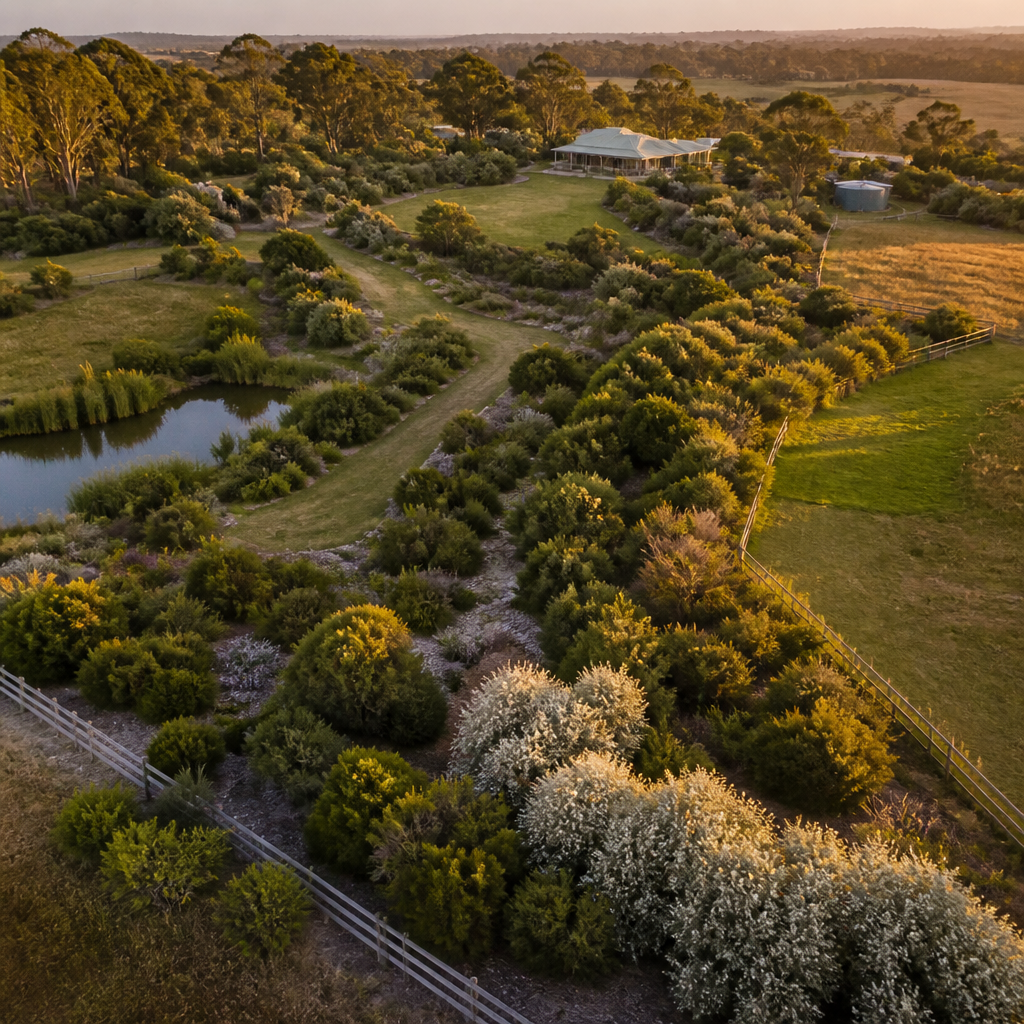
Most off-grid property owners already know they share their land with wildlife. What fewer realize is that the decisions they make about fencing, planting, water, and land edges actively shape whether their property functions as a dead zone or as a living thread in a larger ecological web. A wildlife corridor on your homestead is not a hands-off experiment in rewilding gone wrong. Done right, it is one of the most practical and durable investments you can make in the long-term health of your land. Done carelessly, it turns your vegetable beds into a deer buffet and your chicken coop into a nightly predator target. This guide gives you the framework to do it right.
Table of Contents
- What a Wildlife Corridor Actually Means on a Homestead
- Why Biodiversity Matters for Off-Grid Living
- Designing Your Corridor: Layers, Edges, and Width
- Native Plants and Water Sources That Do the Heavy Lifting
- Fencing and Predator Management: Where the Line Gets Drawn
- Comparing Three Corridor Approaches for Remote Properties
- Common Mistakes That Invite Danger Instead of Biodiversity
- Frequently Asked Questions
- References
What a Wildlife Corridor Actually Means on a Homestead
A wildlife corridor is a strip or band of habitat that connects two or more larger habitat areas, allowing animals to move between them without crossing bare agricultural fields, roads, or developed ground. On a homestead scale, this does not mean you need hundreds of acres. It means you make deliberate choices about where your trees, shrubs, water, and ground cover sit so that animals have a navigable path through or along your property.
Habitat fragmentation, the breaking apart of continuous wild land by roads, cleared fields, and buildings, is one of the primary pressures on wildlife populations. When a species cannot move between habitat patches, it cannot find mates, access seasonal food sources, or escape local threats. Your property, whether it is 5 acres or 500, sits inside a broader landscape. It either adds to connectivity or it does not.
Wildlife corridors are defined as narrow strips of land that differ, usually in terms of dominant vegetation, from the surrounding area. They serve as travel avenues for wildlife species between two similar yet fragmented habitat areas, and provide important sources of food and cover for many species. On a homestead, that typically looks like a hedgerow running along a fence line, a creek buffer planted in native shrubs, or a strip of unmowed native grasses connecting a woodlot to a wetland.
| Key Insight | Explanation |
|---|---|
| Corridor width matters more than length | A corridor under 10 feet wide offers little protection from edge predation. Aim for at least 10 to 30 feet of vegetated width for meaningful movement. |
| Layered vegetation outperforms single-species plantings | A canopy, mid-story shrub layer, and ground cover together shelter far more species than a monoculture hedge and resist wind, drought, and browsing pressure better. |
| Water is the fastest biodiversity multiplier | Adding even a shallow, seasonal pond or a rock-lined water dish draws pollinators, amphibians, and birds that no amount of planting alone will attract. |
| Your fence design determines who can use your land | A bottom wire clearance of 16 to 18 inches allows foxes, badgers, and juvenile deer to pass under. A top smooth wire prevents entanglement that kills migrating animals. |
| Corridors actively protect your crops through pest control | Native insect predators and birds that nest in hedgerows patrol adjacent vegetable beds and orchards, reducing pest pressure without chemicals. |
| Attractants near your living space create the real danger | Composters, livestock feed, fruit drops, and garbage are what draw bears and coyotes close. The corridor itself is not the risk. Unsecured attractants are. |
| Connectivity between properties multiplies impact | A single 50-acre property with a corridor has limited effect. When neighboring landowners align corridor placement, the combined habitat becomes exponentially more functional. |
Before you plant a single shrub or stake a single fence post, walk your entire property boundary and identify where animals are already moving. Look for game trails, worn grass paths, tracks at stream crossings, and compressed vegetation at fence gaps. These existing movement lines are your starting point. Work with them, not against them.


Why Biodiversity Matters for Off-Grid Living
This is not purely an ecological argument. For off-grid homesteaders, biodiversity is a production input. Pollinators supported by native corridor plantings move directly into your orchard and vegetable beds. Predatory insects and birds that nest in hedgerows patrol your crops. Healthy soil biology, which depends on a functioning above-ground food web, drives the fertility of your no-till beds. Every species you support in a corridor feeds back into your operation.
Fragmented habitats lead to the decline of species and result in imbalanced ecosystems with reduced biodiversity. This disrupts vital ecosystem services, including pollination, water filtration, and pest control. These services are foundational for any homestead that grows food or manages pasture. Losing them forces you back onto chemical inputs, which most off-grid growers are trying to eliminate.
The Pollinator Connection
In connected habitats, movement between patches is measurably higher than between unconnected ones. This includes small mammals, butterflies, plants, and pollinators. Each group plays a role in ecosystem health, and native vegetation thrives when pollinators can move freely between patches. For an off-grid homesteader, that translates directly to fruit set, seed saving, and yield.
Plant species also depend on animal movement for seed dispersal. Birds, mammals, and insects carry seeds to new locations as they travel. A corridor through your property essentially regenerates itself over time if you plant the right anchor species and then step back. That is as low-maintenance a system as you will find.
Pro tip: Position your pollinator corridor plantings on the upwind side of your vegetable beds and orchard blocks. Pollinators move with prevailing winds. A hedgerow running perpendicular to wind direction funnels insects directly through your productive areas on their natural foraging routes.
Genetic Diversity and Long-Term Stability
Isolated populations of any species become genetically vulnerable over generations. When corridors reconnect fragmented populations, they allow gene flow between groups, which helps maintain adaptive capacity. For a homesteader managing pasture, woodlot, or wetland, a genetically diverse wildlife community is a more resilient one. Outbreaks, crashes, and boom-bust cycles in pest species are far more common in fragmented, low-diversity landscapes.
Designing Your Corridor: Layers, Edges, and Width
The single most common design failure in homestead wildlife corridors is treating them as a single row of shrubs. One row of chokecherry or hawthorn is better than a clipped cedar hedge, but it is not a functional corridor. A functional corridor has structure through its vertical profile: canopy trees, mid-story shrubs, ground layer plants, and some standing deadwood or rock piles for reptiles and small mammals.
For a rural acreage, aim for these layered elements in your corridor design: canopy trees such as oak, cottonwood, or native cherry; mid-story shrubs such as serviceberry, dogwood, or native rose; ground cover and grasses such as little bluestem or goldenrod; and edge features like brush piles, rocks, or stumps that shelter invertebrates. Plant in curving lines or irregular shapes that mimic natural edges. Straight, rigid corridors are less appealing to most wildlife species than edges that meander.
Minimum Viable Width
A good minimum depth for a mixed shrub hedgerow is 10 feet for a small property segment. For a corridor that needs to support medium mammals like foxes, coyotes, deer, or turkeys, width should increase to 30 feet or more. Narrow strips still provide value for birds and insects, but they leave mammals exposed to predation on both sides simultaneously, which discourages use. In practice, a 10-foot hedgerow along your fence line paired with a 20-foot native grass buffer gives you both structure and open movement space that different species prefer.
Connecting to Neighboring Habitat
The most effective corridor design connects to something. A corridor that starts and ends inside your own boundary with no link to adjacent woodlot, wetland, creek, or neighbor’s hedgerow is a habitat island, not a corridor. Before finalizing your layout, look at the larger landscape using satellite imagery and identify what habitat patches sit within a quarter mile of your boundary. Aim your corridor toward those connection points.
Collaborative corridor management with neighbors creates connected landscapes that support thriving wildlife populations and healthy ecosystems. Even if you cannot coordinate with neighbors directly, aligning your corridor with a stream, drainage ditch, or fence line that continues onto adjacent properties gives animals a navigable route beyond your boundary.

Native Plants and Water Sources That Do the Heavy Lifting
Native plants are not optional in a functional corridor. They are the difference between a corridor that wildlife uses and one that looks good but gets bypassed. Native species provide the food, structure, nesting sites, and seasonal resources that local fauna evolved alongside. Exotic ornamentals may offer some shelter, but they rarely produce the specific fruits, seeds, or insect habitat that native plants do.
Allowing shrubs and bushes to grow wild, meaning not trimmed back to extreme shapes, offers the most shelter and safety to wildlife species. A clipped hedge is a visual barrier. An unclipped native hedgerow is a habitat. The branches, leaf litter, and berry clusters of an untrimmed native shrub row support entirely different invertebrate communities than a manicured one.
Species Selection for Canadian Homesteaders
For homesteaders in Canada and the northern United States, strong hedgerow anchor species include native hawthorn, saskatoon (serviceberry), highbush cranberry, red-osier dogwood, and native willows for wet areas. These provide persistent fruit through fall and winter, which sustains birds during migration and over-wintering. Conifers such as white spruce or balsam fir added to the back of a hedgerow give year-round cover and nesting shelter that deciduous species cannot provide in winter.
A native hedgerow functions as an ecological wildlife corridor. The wildlife value of an existing row of arborvitae alone is minimal, but increases significantly by layering shrubs: tall in the back, short in the front, for both better habitat and sound buffering. Adding native groundcovers at the base, wild strawberry, native violets, or wood sedge, completes the vertical structure that a single-species planting misses.
Water Features: Small Investment, Outsized Return
Water is consistently the most underutilized tool in homestead wildlife management. A shallow, gently sloped water dish, a rock-edged seep, or a small seasonal pond placed in or adjacent to a corridor draws species that native plantings alone will never attract. Amphibians require standing water for breeding. Many bird species bathe and drink in locations they return to reliably each season. Pollinators need water close to foraging areas.
Pro tip: Slope one edge of any water feature very gradually, at a 10 to 15 degree angle, so that small mammals and insects can drink without drowning. A steep-sided bucket or pond kills as many animals as it helps. Place rocks partially submerged at the water’s edge for perching insects and a landing platform for amphibians.
Fencing and Predator Management: Where the Line Gets Drawn
The question most homesteaders have is not whether to support wildlife, it is how to do it without sacrificing their chickens, goats, or garden. The answer is not to eliminate wildlife from your land. It is to design your infrastructure so that domestic animals and crops are protected while wild species can still move through.
Wildlife-friendly fencing is not about choosing sides between livestock and wildlife. It is about understanding that both can coexist when you design systems that work with natural behaviors instead of against them. The key variables are height, bottom clearance, and top wire type.
Fencing Specifications That Work
For a corridor fence that allows wildlife movement while containing livestock, the following specs are proven: height of 40 to 42 inches for ungulate species, since higher fences block deer and pronghorn movement without adding livestock containment value; bottom wire clearance of minimum 16 to 18 inches from the ground to allow passage of smaller mammals including foxes, badgers, and juvenile animals; and smooth wire or high-tensile wire on the top strand rather than barbed wire, which causes entanglement mortality in deer and birds.
For predator exclusion around livestock paddocks and coops, the approach shifts. A fence of six feet or taller deters most deer, skunks, and coyotes. Burying an additional barrier 18 to 24 inches underground around the perimeter prevents digging entry. Properly designed electric fence systems deter coyotes, bears, and wolves without creating barriers for deer, elk, or other non-target species moving through your wider property.
Bear and Coyote Reality Check
No fence keeps bears off your property if there is a food attractant. Fencing does not keep raccoons or bears out, especially if there is a food source. The only reliable strategy with bears is removing attractants: securing compost, storing livestock feed in bear-resistant containers, cleaning up fallen fruit, and keeping garbage inside until collection day. A wildlife corridor on your back forty is not what brings a bear to your porch. A compost bin full of kitchen scraps does.
Coyotes present a different management challenge. They are highly adaptable and will exploit any weakness in a paddock or coop enclosure. A livestock guardian animal, a Great Pyrenees, Anatolian Shepherd, or similar breed, is the most field-tested deterrent for coyote pressure. Electric net fencing around poultry at night adds a second layer. These solutions protect your animals without poisoning, trapping, or eliminating coyotes from the landscape, which simply opens territory for new individuals to move in anyway.
Comparing Three Corridor Approaches for Remote Properties
Not every corridor design suits every property type. The right approach depends on your acreage, existing vegetation, primary wildlife goals, and how much active management you can realistically commit to. Here is an honest comparison of the three most practical approaches for off-grid and remote properties.
| Approach | Best For | Key Trade-offs |
|---|---|---|
| Native Hedgerow Corridor | Properties with fence lines, field edges, or drainage ditches; best for bird and pollinator habitat; supports foxes, rabbits, and small mammals | Takes 3 to 5 years for full establishment; needs weed competition managed in early years; deer browsing can set back young plantings without protection |
| Unmowed Native Grass Buffer | Larger acreages with open fields; easiest to establish; excellent for ground-nesting birds, turkeys, pheasants, deer movement, and beneficial insects | Provides less cover than woody plantings; can become dominated by invasive grasses if species selection is not native; slower biodiversity response than hedgerow |
| Riparian Buffer Corridor | Properties with streams, creeks, or drainage channels; the highest biodiversity return of any approach; connects directly to downstream habitat networks | Requires commitment not to mow or graze buffer zone; may require local permitting if altering stream banks; willows and alders can grow aggressively and need periodic thinning |
In practice, the most effective homestead corridor combines at least two of these approaches. A riparian buffer along a creek with a hedgerow running perpendicular to it toward a woodlot creates two intersecting movement paths. That gives animals options for entering and exiting your property from multiple directions, which increases actual corridor use significantly.
Common Mistakes That Invite Danger Instead of Biodiversity
The fear that a wildlife corridor will create problems on your homestead is not irrational. It comes from watching other people do this badly. A few specific errors account for most of the conflict between wildlife-friendly intentions and homestead reality.
Placing Feeders and Salt Licks Near Living Areas
Bird feeders, squirrel feeders, and deer salt licks are popular starting points for attracting wildlife to a homestead. They work. They also concentrate animals, train them to associate human structures with food, and position large herbivores and the predators that follow them immediately adjacent to your house, barn, and garden. If you use feeders or licks, place them at the far edge of your property near the corridor itself, not near your house or outbuildings.
Planting Food-Producing Trees Directly in the Corridor Path
A common mistake is running your wildlife corridor directly through or past your orchard or vegetable garden. The corridor then functions as a guided highway right into your food production zone. Keep productive plantings at least one full barrier, a fence, building, or open ground, away from corridor paths. The corridor should direct wildlife movement away from your garden perimeter, not into it.
Choosing Invasive Exotic Plants Because They Establish Faster
Buckthorn, autumn olive, and other aggressive exotic shrubs establish quickly and do provide some cover and fruit. They also outcompete native species, reduce the insect diversity that native plants support, and eventually become a management problem. The shortcut costs more than the time it saves. Use native species from the start, protect them through early establishment with wire tree guards if deer pressure is high, and the corridor pays dividends for decades without further replanting.
By creating havens for biodiversity within areas where humans live, we can make transitions between landscapes more seamless, safe, and nurturing for wildlife, while building the ecosystem services that every productive homestead depends on.
Treating the Corridor as Set-and-Forget
A wildlife corridor requires light but real management, especially in the first three to five years of establishment. Invasive plants will colonize disturbed soil. Deer will browse new shrub plantings down to stubs. Drainage patterns may shift and kill plantings in wet zones. An annual walk through the corridor in early spring and again in late summer, pulling invasives and replacing casualties, keeps the system on track. After establishment, the maintenance drops dramatically as the planting closes canopy and shades out competition.
Pro tip: Mark every plant you put in the corridor with a flagged stake for the first two years. This makes your annual inspection efficient and prevents you from accidentally mowing down young plantings you forgot about. Once plants are thigh height, the stakes come out and the corridor largely manages itself.
Frequently Asked Questions
How much land do I need to create a functional wildlife corridor on my homestead?
You do not need a large property. A corridor as narrow as 10 feet and as short as 50 feet adds connectivity value, especially for birds, pollinators, and small mammals. On a 5-acre lot, even a single planted hedgerow along your property boundary contributes to the larger landscape network. Larger properties can design more ambitious multi-layered corridors, but the ecological principle applies at any scale.
Will a wildlife corridor increase the risk of predators attacking my chickens or livestock?
A corridor designed correctly directs wildlife movement along your property edges, away from your animal enclosures. The real risk factors are unsecured attractants, weak coop construction, and feeders placed near outbuildings. Separate your wildlife corridor from your production area with at least one physical barrier, whether a fence or open ground, and manage attractants consistently. Predator pressure exists on rural properties with or without a corridor. The corridor does not create the risk.
What are the best native plants to start a wildlife hedgerow in Canada?
For Canadian homesteaders, reliable native hedgerow species include red-osier dogwood, highbush cranberry, saskatoon (serviceberry), native hawthorn, and wild rose. In wetter areas, native willows and alders establish quickly and provide excellent cover. For conifer structure in the back of a hedgerow, white spruce or balsam fir work well across most of Canada. Always source plants from regional native plant nurseries to ensure local genetic provenance, which improves establishment and wildlife food value.
How do I keep deer from destroying my corridor plantings before they get established?
Individual wire tree guards around each shrub are the most reliable protection for the first two to three years. Commercially available mesh cylinder guards, staked with two or three metal posts, protect the main stem while still allowing the plant to grow through the top. Temporary electric fencing around new planting areas is another option for larger installations. Once plants reach 4 to 5 feet in height, browsing pressure drops significantly because deer prefer the tender new growth of shorter plants.
Can I get any financial support or tax benefits for creating a wildlife corridor on my property?
In Canada, several provincial conservation programs offer cost-sharing or incentive payments for habitat stewardship on private land. Federally, the Natural Areas Conservation Program and some provincial equivalents provide support for landowners who commit to habitat protection or restoration. In the United States, the USDA’s Conservation Reserve Program offers financial incentives for establishing wildlife-friendly plantings including native species corridors. Contact your local conservation authority or provincial ministry of natural resources to find programs applicable to your specific jurisdiction.
How long does it take for a new wildlife corridor to start showing measurable biodiversity results?
Fast-responding species such as birds, insects, and small mammals begin using a new corridor within one to two growing seasons if native plants are in place and water is available. Amphibians colonize new water features within two to three years if a source population exists nearby. Larger mammals follow established bird and small mammal use as the vegetation matures and provides reliable cover. A fully functioning, self-sustaining hedgerow corridor typically reaches its biodiversity peak at five to ten years post-planting, after the vegetation closes and the soil invertebrate community builds up in the leaf litter layer.
Have you started building a wildlife corridor on your property, or are you working through the predator-management side of this equation? Share what has worked, and what has not, in the comments below.
References
- Wildlife corridors: what they are, why they matter, and how individuals can help
- How to incorporate wildlife habitat into your homestead for long-term ecological benefit
- Wildlife corridors and fencing: a land manager’s guide to wildlife-friendly fence design
- Creating a native hedgerow for wildlife: a practical guide to corridor planting
- How native plants support wildlife corridors and connect fragmented habitats
Leave a Reply