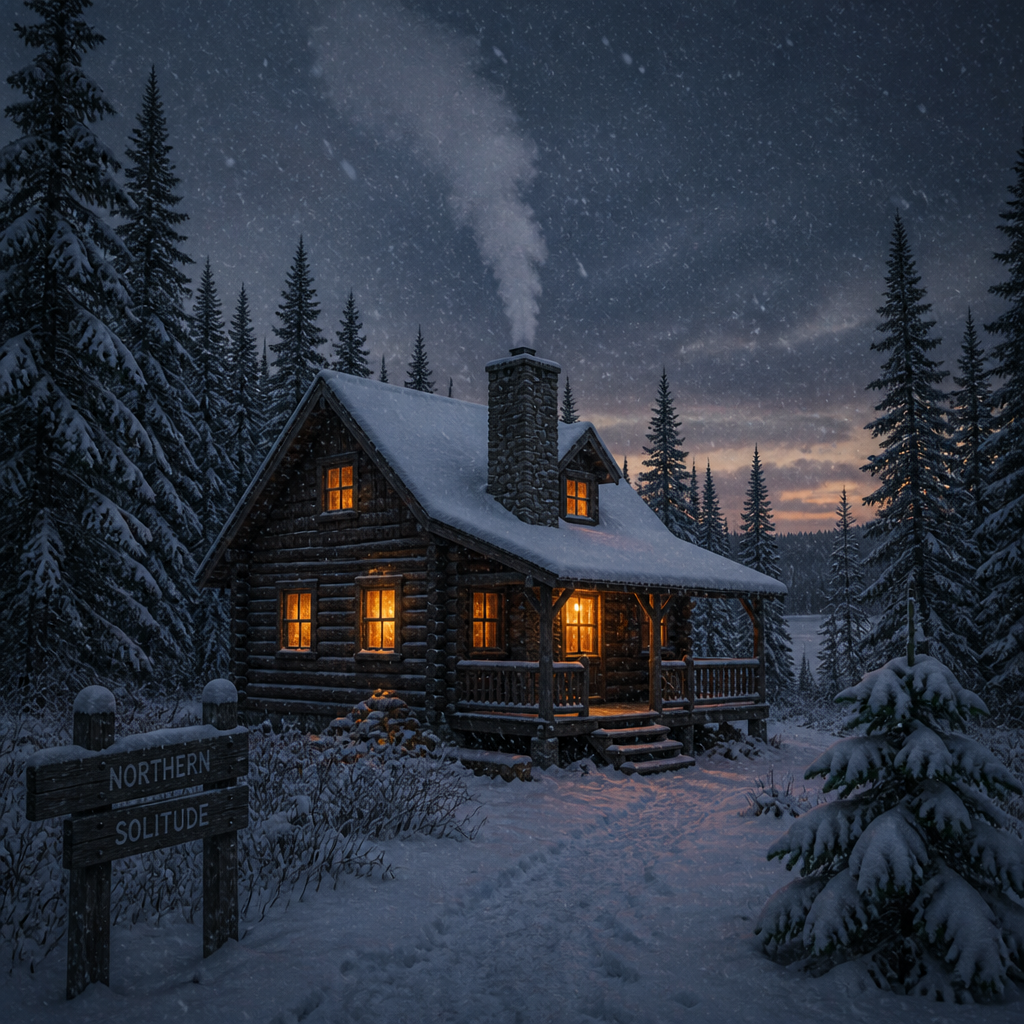
A Canadian winter will expose every weakness in a poorly planned heating system. Temperatures in many parts of the country drop well below -30°C, roads to remote properties get cut off for days, and a heating failure at 2 a.m. is not a minor inconvenience. It is a survival problem. Choosing the right off-grid heating systems before you need them is one of the most consequential decisions you will make as a homesteader. This guide compares three proven approaches, wood stoves, propane heaters, and passive solar design, so you can build a system that actually works when the thermometer bottoms out.
Table of Contents
- Quick Takeaways
- Why Canadian Winters Demand a Different Approach
- Wood Stoves: The Backbone of Off-Grid Heating
- Propane Heating: The Reliable Backup and Primary Option
- Passive Solar Heating for Off-Grid Cabins
- Heating Systems Comparison Table
- Building a Layered Heating Strategy
- Frequently Asked Questions
- References
Quick Takeaways
| Key Insight | Explanation |
|---|---|
| Wood stoves require zero electricity | A properly installed wood stove operates with no blower, no electronic ignition, and no pipeline dependency, making it the most resilient primary heat source for remote Canadian properties. |
| Propane delivers instant, controllable heat | Propane heaters fire up immediately, which matters enormously when you arrive at a frozen cabin in January. Modern propane stoves operate at around 90% combustion efficiency, producing very little wasted fuel. |
| Passive solar alone is not enough in Canada | Long stretches of overcast days in many Canadian regions produce significant heat losses through windows with minimal solar gain to compensate. Passive solar works best as a load-reduction layer, not a standalone system. |
| Thermal mass is the engine of passive solar | Concrete slabs, brick walls, and tile floors absorb solar energy during the day and release it at night. A general design guideline is to target thermal mass area at roughly six times the area of your south-facing glazing. |
| Modern EPA-certified wood stoves outperform older models | Newer certified stoves burn significantly more efficiently than older designs, reducing the cords of wood needed per season and producing less creosote buildup in chimneys. |
| Sizing matters more than brand choice | A good rule of thumb for wood stoves is roughly 20 to 30 BTUs of output per square foot of heated space. Oversizing creates dangerous overheating; undersizing leaves you cold during the deep freeze. |
| Layered systems outperform single-source solutions | The most resilient off-grid heating combines a primary wood or propane system with passive solar design baked into the building envelope, reducing total fuel consumption and covering failure points in each individual system. |
Why Canadian Winters Demand a Different Approach
Most off-grid heating guides are written for temperate climates. They understate what it actually takes to heat a remote property when temperatures stay below freezing for weeks at a time and the nearest propane supplier is an hour of plowed road away. In Canada, heating is not a comfort consideration. It is a safety consideration.
The core challenge is not finding a system that heats well on a cold day. Any decent stove can do that. The challenge is building a system that continues working during a multi-day storm, a propane delivery delay, or a mechanical failure at the worst possible moment. That requirement pushes you toward redundancy, fuel diversity, and passive design that reduces the total heating load before you even light a fire.
Remote property owners and homesteaders in this country also face a practical reality: once deep winter sets in, your options narrow. You cannot retrofit a chimney in January. You cannot retrofit south-facing glazing during a blizzard. The decisions you make in spring and fall determine how comfortable and safe your winter will be. This guide is designed to help you make those decisions with clear, specific information rather than vague generalities.


Wood Stoves: The Backbone of Off-Grid Heating
Wood stoves remain the most common off-grid heating solution for good reason. They use a renewable, locally available fuel source, they operate without any electricity, and a properly chosen and installed stove will heat your space reliably for decades. For homesteaders with forested land, the fuel cost can be close to zero beyond the time spent processing it.
Output, Efficiency, and Sizing
Modern EPA-certified wood stoves burn significantly more efficiently than older models, reducing wood consumption while delivering more usable heat output. As a practical sizing baseline, you need roughly 20 to 30 BTUs of heat output per square foot of space you are heating. A well-insulated 800-square-foot cabin in central Ontario, for example, needs a stove capable of delivering in the range of 40,000 to 75,000 BTUs per hour during peak cold. A high-quality wood stove in that output range operating at around 65 to 78% efficiency is a reasonable match for that load.
Fuel consumption depends heavily on your insulation quality and the severity of your climate zone. A rough planning figure for a moderately insulated home in a cold Canadian climate is 3 to 6 cords of seasoned wood per heating season, though properties with excellent insulation and passive solar contributions can come in below that range. Wet or green wood destroys efficiency and accelerates creosote buildup, which is a chimney fire waiting to happen. Seasoning wood for at least one full year before burning is non-negotiable.
Real Limitations You Need to Plan Around
The wood stove’s weaknesses are practical, not theoretical. It requires active management: you must be present, awake, and physically capable of feeding and tending it. It will not hold a fire for 12 hours unattended unless you are burning a high-quality hardwood in a stove with a large firebox and a good damper setup. For seasonal properties used only on weekends, arriving to a frozen cabin and waiting two hours for a wood stove to bring the temperature to a comfortable level is a real frustration, not a minor inconvenience.
Chimney maintenance is the other major commitment. Creosote deposits require annual inspections and cleaning by someone who knows what they are doing. A chimney fire on an off-grid property far from a fire station is a catastrophic risk. Installing a quality stovepipe thermometer and learning to read it is part of operating a wood stove safely.
Pro tip: When selecting a wood stove for a remote Canadian cabin, prioritize cast iron or heavy steel construction from a manufacturer with a proven track record for cold-climate performance. Lighter-gauge stoves may be cheaper upfront but warp and degrade faster under the sustained high-output burning that Canadian winters demand.
Propane Heating: The Reliable Backup and Primary Option
Propane heating solves the two biggest practical problems with wood stoves: it delivers instant heat without active management, and it works on a thermostat. For off-grid properties that are used intermittently rather than year-round, or for homesteaders who want a heating system that maintains a base temperature without constant attention, propane is an extremely capable choice.
Why Propane Works Well Off-Grid in Canada
Propane requires no grid connection, it stores reliably in tanks for extended periods, and modern propane stoves and wall heaters operate at around 90% combustion efficiency, meaning very little of your fuel is wasted. The instant response is particularly valuable at remote properties: arriving at a cabin on a Friday evening in January after the building has been sitting empty for weeks, you want heat in minutes, not hours. Propane delivers that.
For homesteads already running propane for cooking, water heating, or a backup generator, adding a heating stove draws from the same tank and supply infrastructure. One fuel, one delivery schedule, one supplier relationship. That simplicity has real operational value when you are managing a remote property.
For remote properties where outages are longer and less predictable, the reliability of propane is not a luxury. It is a necessity. Propane responds immediately, and that matters when a cabin has been sitting cold for weeks in the middle of a Canadian January.
Propane Sizing and Storage Planning
An 8,000 BTU propane stove running eight hours per day uses roughly 20 gallons of propane per month. A 20,000 BTU unit at the same run time uses approximately 50 gallons per month. These are useful planning numbers, though actual consumption at a seasonal cabin used primarily on weekends will be considerably lower. Larger storage tanks in the 500 to 1,000 gallon range reduce the per-gallon cost and extend the time between deliveries, which matters significantly when your road access is unreliable in deep winter. The upfront cost for a large tank installation runs roughly $1,200 to $2,500, but it pays for itself quickly in reduced delivery logistics and better pricing per litre.
The Real Weakness: Supply Chain Vulnerability
Propane’s single serious limitation is that you are dependent on an external supply chain. A wood stove user on forested land can theoretically never pay for fuel again. A propane user who runs dry in February on a road that is not reliably plowed is in trouble. The mitigation is straightforward: maintain a larger buffer stock than you think you need, schedule deliveries proactively before winter sets in, and pair your propane system with a wood stove backup. That combination covers both failure modes.
Pro tip: Never run a propane system down to empty in winter before calling for a delivery. Restarting a completely empty propane system often requires a technician visit to relight pilots and bleed lines, which is an expensive and time-consuming service call on a remote off-grid property.

Passive Solar Heating for Off-Grid Cabins
Passive solar heating is the most misunderstood of the three approaches. It is not a heating system. It is a building design strategy that reduces how much you need to burn. When it is done correctly, it cuts your wood or propane consumption meaningfully. When it is oversold as a standalone solution for a Canadian climate, it fails and leaves you cold.
The Design Principles That Actually Matter
Passive solar systems work through a specific set of architectural elements working together. Buildings are ideally rectangular with their long axis running east to west, with a heavily glazed south-facing wall that captures low winter sun. The solar energy that enters through that glazing is absorbed and stored in thermal mass, which typically means concrete slabs, brick walls, or tile floors. That stored heat is then released back into the living space gradually during the night and on cloudy days. Overhangs above the south-facing windows are designed to block the high summer sun while allowing the lower winter sun to penetrate fully.
The thermal mass calculation matters more than most people realize. A widely cited design guideline is to target a thermal mass area of roughly six times the area of the accompanying south-facing glazing. For climates with significant cloudy periods, the specific ratio matters less than ensuring the mass is directly exposed to the sunlight that does come in. Spreading thin layers of thermal mass through the room is more effective than concentrating it in one thick wall that only catches indirect light.
Honest Limitations for Canadian Climates
The fundamental challenge of passive solar in Canada is solar availability in winter. Many Canadian regions experience extended cloudy periods in January and February, which are also the coldest weeks of the year. Long stretches of overcast days produce significant heat losses through large windows, with minimal solar gains to compensate. This is not a reason to abandon passive solar design. It is a reason to treat it as one layer of a heating strategy rather than the primary system.
Passive solar design is most valuable in regions of Canada that receive reasonable winter sunlight, such as parts of southern Alberta, the southern interior of British Columbia, and areas of the Prairies with cold but sunny winters. In heavily overcast maritime climates or in deep northern regions with very short winter days, the contribution of passive solar is smaller and the thermal losses through additional glazing can partially offset the gains.
Window quality is not optional in passive solar design. For cold Canadian climates, you need glazing with a high solar heat gain coefficient (above 0.6 is a common recommendation for solar-facing glass) and a low U-factor to minimize conductive heat loss. Triple-pane windows with appropriate coatings are worth the upfront investment on south-facing exposures.
Heating Systems Comparison Table
The table below compares the three primary off-grid heating approaches on the dimensions that matter most for remote Canadian homesteads. No single system wins on every dimension, which is precisely why the best setups combine two or more of these approaches.
| Criteria | Wood Stove | Propane Heater | Passive Solar Design |
|---|---|---|---|
| Electricity Required | None (no blower or ignition needed) | None for direct-vent wall models; some units use electronic ignition | None (purely architectural) |
| Fuel Availability | High for forested properties; free if you harvest your own | Dependent on supplier delivery; must maintain buffer stock | Free and unlimited, but intermittent in cloudy winters |
| Response Time | Slow (1-2 hours to fully heat a cold space) | Instant (full output within minutes) | No active response; passive gain throughout daylight hours |
| Typical Efficiency | 65-78% (modern EPA-certified stoves) | Approximately 90% combustion efficiency | No efficiency rating; reduces heating load rather than generating heat |
| Active Management Required | High: must feed, tend, and clean regularly | Low: thermostat-controlled, minimal daily maintenance | None once the building is built |
| Initial Cost | Stove plus installation typically ranges from around $2,000 to $5,000+ | Heater plus tank installation typically ranges from around $1,500 to $4,000+ | Higher upfront building cost; south glazing, thermal mass, and overhangs add to construction budget |
| Best Fit for Canadian Off-Grid | Primary heat for full-time residents on forested land | Primary or backup heat for seasonal cabins and remote properties with delivery access | Load-reduction layer in new construction or major renovation; most effective in sunny inland climates |
Building a Layered Heating Strategy
The single most important principle for Canadian off-grid heating is this: no single system is enough. A wood stove is excellent until you are sick, injured, or away. Propane is excellent until your tank runs dry or your supplier cannot get a truck to you. Passive solar is excellent until you get three weeks of cloud cover in February. The answer to all of these failure modes is a layered system where each component covers the gaps in the others.
The High-Reliability Configuration
For full-time homesteaders on forested land, the strongest configuration is a primary wood stove with passive solar design reducing the total heating load, and a propane backup for extended absences, illness, or emergency situations. You heat primarily with wood you harvest yourself, the passive solar design cuts your wood consumption on clear days, and the propane heater maintains a minimum safe temperature if the wood stove cannot be tended for any reason. This configuration has the lowest long-term operating cost and the highest resilience against supply chain disruptions.
For seasonal cabin owners who visit on weekends or extended stays rather than living year-round, the configuration often reverses. A thermostat-controlled propane heater is set to maintain a minimum temperature of around 7 to 10 degrees Celsius when the cabin is unoccupied, preventing frozen pipes and structural damage. When you arrive, propane brings the cabin to comfortable temperature quickly, and a supplemental wood stove provides the atmosphere and deep warming heat that propane alone does not deliver the same way. Passive solar design, if incorporated into the building, reduces the propane load during sunny days and helps maintain overnight temperatures.
Insulation Is the Multiplier
Every heating system performs better in a well-insulated building. A tiny home with poor insulation will waste energy regardless of how efficient its heat source is. On a remote Canadian property, investing in quality wall insulation, spray foam air sealing, and double or triple-pane windows pays back in reduced fuel consumption year after year. These are not glamorous improvements but they are the most cost-effective changes you can make to your heating system’s real-world performance. Insulation improvements also extend the value of passive solar design, since a better envelope retains the heat that passive solar captures for longer into the night.
A common mistake among new homesteaders is spending money on a better stove when the real problem is air leakage. Before upgrading your heat source, audit your building envelope. Drafts around windows, doors, electrical outlets, and plumbing penetrations can account for a significant portion of your heat loss, and sealing them costs far less than a new stove.
Frequently Asked Questions
What is the best off-grid heating system for a full-time Canadian homestead?
For full-time residents on forested land, a high-quality EPA-certified wood stove as the primary heat source, combined with passive solar design in the building envelope and a propane backup heater, is the most resilient and cost-effective combination. Wood provides a renewable, locally controlled fuel source, passive solar reduces how much you burn, and propane covers situations where the wood stove cannot be tended. No single system covers all failure scenarios on its own.
Can passive solar heating be enough on its own during a Canadian winter?
No, not as a standalone system for most Canadian climates. Long stretches of overcast days in Canadian winters produce significant heat losses through glazing without enough solar gain to compensate. Passive solar is most valuable as a load-reduction strategy integrated into a building’s design, working alongside an active heating system. In sunny inland regions such as parts of the Alberta foothills or the southern BC interior, passive solar makes a larger contribution than in overcast coastal or far northern climates.
How much propane does a cabin heater use in a Canadian winter?
Consumption depends on the BTU rating of the unit, your insulation quality, and how cold your region gets. As a practical reference, an 8,000 BTU stove running eight hours per day uses roughly 20 gallons per month, while a 20,000 BTU unit at the same run time uses approximately 50 gallons per month. A seasonal cabin used primarily on weekends will use considerably less. Planning for larger tank storage, typically 500 to 1,000 gallons, reduces both the frequency of deliveries and the per-litre cost of propane.
How many cords of wood does an off-grid home need per winter in Canada?
A rough planning figure for a moderately insulated home in a cold Canadian climate is 3 to 6 cords of seasoned hardwood per heating season, depending heavily on the size of the home, insulation quality, and how cold your specific climate zone is. Properties with superior insulation, good air sealing, and passive solar contributions will come in at the lower end of that range. Burning green or wet wood dramatically increases consumption and creates dangerous creosote buildup, so the quality of your wood supply matters as much as the quantity.
What thermal mass materials work best for passive solar heating in a Canadian cabin?
Concrete slabs, brick walls, and tile floors are the most practical thermal mass materials for cabin construction. They absorb solar energy during daylight hours and release it gradually through the night. The key is ensuring the thermal mass is directly exposed to winter sunlight coming through south-facing windows, not tucked into corners or covered with rugs and furniture. A widely referenced design guideline suggests targeting a thermal mass surface area of roughly six times the area of the accompanying south-facing glazing for effective performance.
Is a wood stove vs propane a clear choice for a remote Canadian cabin?
Not a clear-cut one, because the right answer depends on how you use the property. Full-time residents with forested land usually favor wood as the primary system for its low long-term cost and fuel independence. Seasonal cabin owners who visit intermittently favor propane for its instant heat and thermostat control, which prevents frozen pipes and structural damage between visits. The most practical solution for most remote Canadian properties is to have both, with one serving as primary and the other as backup, rather than committing entirely to either.
What heating setup are you running at your off-grid property, and what has surprised you most about managing heat through a Canadian winter? Share your experience in the comments below.
References
- Off-grid heating options for Canadian cabins, including wood stoves and propane wall heaters
- Propane stoves for Canadian cabins: efficiency, sizing, and reliability guide
- Whole Building Design Guide resource on passive solar heating principles and thermal mass
- Comparison of off-grid heating solutions without electricity, including wood stoves and propane
- Technical comparison of residential heating methods in Canada with BTU output and efficiency data
Leave a Reply