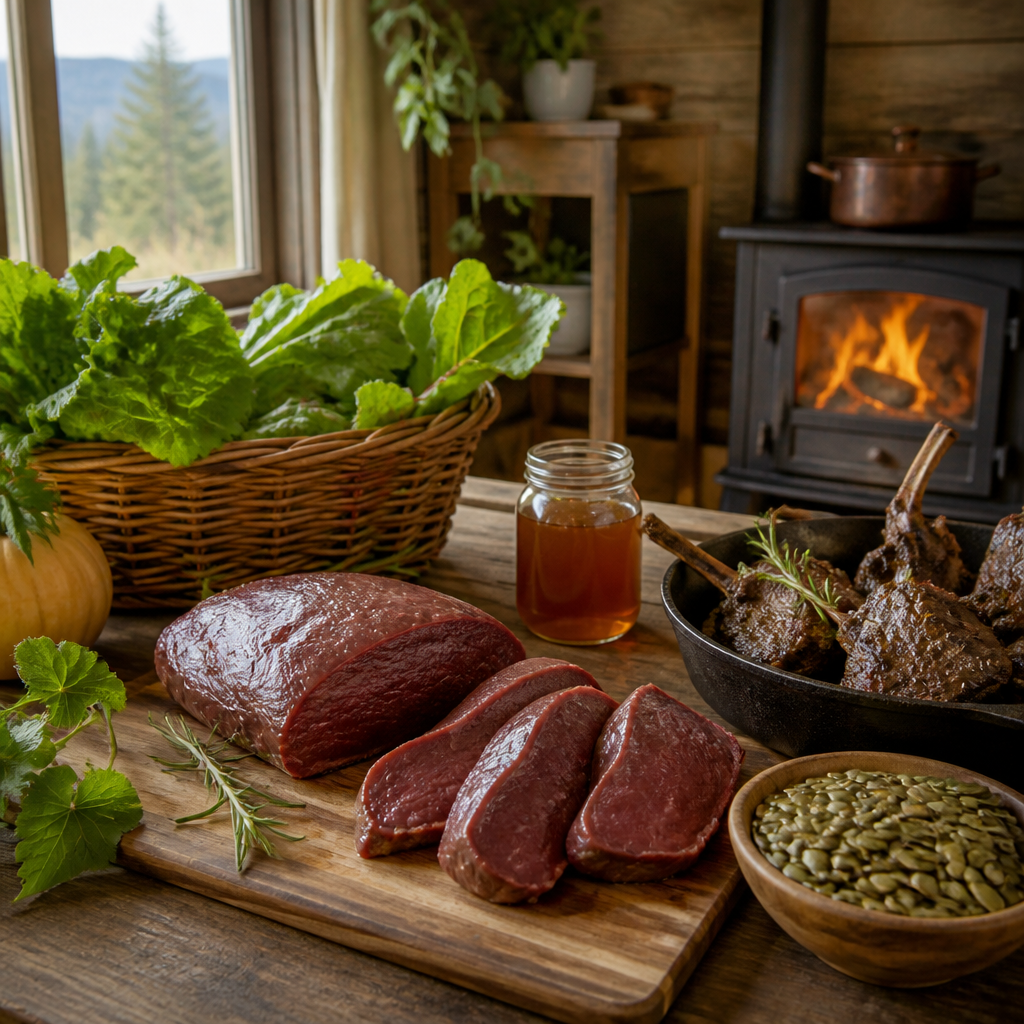
On remote properties, a familiar pattern shows up every cold season. A few people catch every bug going around, cuts take longer to close, and everyone blames the weather. Zinc is one of the nutrients most often left out of that story. It is required for normal immune function and wound healing, and people who eat a homestead diet often get more of it than they expect. This guide explains how zinc supports immunity, why hunters and homesteaders have a natural advantage in getting enough, and where the zinc immunity homestead diet still falls short.
Table of Contents
- Quick Takeaways
- Why Zinc Matters for Immunity
- The Hunter’s Advantage: Wild Game as a Zinc Source
- The Homesteader’s Advantage: Garden, Pantry, and Soil
- Zinc Sources Compared on a Working Homestead
- Zinc Deficiency Prevention
- When Supplements Make Sense
- Immune Health and Longevity
- Frequently Asked Questions
- References
Quick Takeaways
| Key Insight | Explanation |
|---|---|
| Zinc supports immune cell function | Zinc influences several signaling pathways that regulate immune cells, so a shortfall affects more than one part of your defenses. |
| Animal foods are the densest sources | Nonvegetarian foods tend to be higher in zinc, with oysters and beef near the top of most lists. |
| Wild game counts as a real zinc source | Venison and other game meat belong to the same broad red meat category that makes beef a reliable choice. |
| Plant foods help but absorb less easily | Pumpkin seeds, oatmeal, and legumes add zinc, but plant zinc is generally absorbed less efficiently than zinc from meat. |
| Your soil shapes what you grow | Crop mineral content reflects the ground it grew in, so a productive garden is not automatically a zinc-rich garden. |
| Timing and rhythm beat big doses | Spreading zinc-rich meals across the week works better than occasional heavy servings, because the body keeps only limited reserves. |
| More is not better | Too much zinc can cause stomach and kidney problems, so supplements should be targeted and guided by a clinician. |
Why Zinc Matters for Immunity
Zinc does not work like a switch that turns immunity on. It is a working part of the system, and the immune cells that fight infection depend on it to develop and respond. A 2017 review on zinc as a gatekeeper of immune function found that zinc contributes to the overall regulation of immune cell function, influencing several signaling pathways. In practice, a shortfall rarely knocks out one defense. It slows several at once.

For people who spend their days cutting wood, hauling water, and processing harvests, the body is under steady physical load. The nutrients that support normal immune function are not optional extras in that setting. They are part of the basic equipment for getting through the season.
What Zinc Does Inside Immune Cells
Zinc helps regulate how immune cells respond to signals, including when to act, how strongly to respond, and when to stand down. Mayo Clinic describes zinc as helping the immune system and metabolism work correctly, and it also links zinc to wound healing and the sense of taste. Those functions matter on a homestead, where a split knuckle from splitting wood or a nick from a fence wire is a routine event.
A 2024 Frontiers review describes zinc as a vital micronutrient that strengthens the immune system and aids cellular activities. That review was written with COVID-19 research in mind, so treat it as a general picture of zinc’s role rather than a guide to treating illness. The practical point is that zinc sits inside the machinery, so a low intake pulls on the whole chain.
Zinc rarely works as a booster you can add on top of a poor diet. It works as a condition that has to be met before the immune system can do its ordinary job well.
Zinc, the Thymus, and Immune Regeneration
A Fred Hutch report on zinc and immune health describes zinc as required for the development of a specialized type of immune cell. The same report says zinc prompts a critical immune organ to regenerate after damage. The organ in question is the thymus, where certain immune cells mature and where tissue can be damaged during illness and stress.
For a homesteader, the lesson is that recovery after a hard illness or a long stretch of physical work depends on having enough zinc available. The body cannot store large reserves, so steady intake through the week matters more than one heavy meal on the weekend.
The Hunter’s Advantage: Wild Game as a Zinc Source
Hunters have an advantage most people do not: a freezer full of animal protein that they process themselves. Nonvegetarian foods tend to carry more zinc than plant foods, and Harvard’s nutrition guidance places oysters and beef near the top of zinc-rich foods. Game meat falls into the same broad category as red meat, so venison and other wild meat are a sound part of a zinc-focused diet, even though the exact amount varies by animal, cut, and cooking method.
The advantage is less about one perfect meal and more about frequency. A deer harvested in November can supply protein for months if it is processed and stored correctly. That means zinc-containing meat can appear several times a week instead of as an occasional treat.
Why Red Meat Punches Above Its Weight
Zinc from animal foods is generally absorbed more readily than zinc from plant foods, which is part of why a meat-based freezer is so useful. Ground venison works well in chili, sausage, and meatballs, and each of those forms makes it easy to eat a meaningful portion regularly. A common mistake is overcooking lean game until it is dry, because people then eat less of it and skip it the next time.
Lean game needs fat or moisture to stay palatable. Add rendered tallow, a little bacon, or broth when you grind or braise. Short cooking times and a lower heat setting usually produce a more tender result than a long roast left in the oven.
Organ Meats: Liver and the Overlooked Cut
Liver is one of the most overlooked foods on a hunting property. It is generally dense in several nutrients, including zinc, and it is often discarded or fed to dogs. A small portion fried with onions once a month is a cheap way to add a concentrated zinc source to a diet built around game.
Pro tip: Freeze liver in meal-sized portions soon after the harvest. Small portions are easier to thaw and eat regularly, which works better than saving it for one heavy serving that you dread.
The Homesteader’s Advantage: Garden, Pantry, and Soil
A homestead gives you control over the seeds you plant, the grains you store, and the animals you raise. Some of the best plant sources of zinc are staples you can grow or buy in bulk. VA News lists oysters, pumpkin seeds, oatmeal, and turkey among zinc-rich foods, which gives a useful shortlist for the pantry.
Plant zinc is absorbed less efficiently than zinc from meat, so a garden should not replace animal protein. It works best as a steady layer on top of meat rather than as the only source of zinc in your diet.
Pumpkin Seeds, Oats, and Legumes
Pumpkin seeds are the easiest plant zinc source to store. A jar of toasted seeds kept in a cool, dry place works as a snack, a salad topping, or a bread ingredient. Oatmeal is the cheapest bulk option and fits breakfasts that can be cooked on a wood stove or a propane burner.
Legumes such as lentils and beans add zinc along with protein and fiber, and they store well if you dry them yourself. Soaking and sprouting are common practices that may improve how well minerals are absorbed, but results depend on the specific food, so test your own routine instead of trusting a rule of thumb.
Soil, Crop Mineral Content, and Testing Your Ground
The mineral content of a crop reflects the soil it grew in. A garden on depleted or heavily leached ground can produce vegetables that look healthy but carry less zinc than the same crop grown on richer ground. Homesteaders who depend heavily on their own produce should think about soil health, not just yield.
A basic soil test from a local extension office or lab can show nutrient levels and pH. Use the results to decide where to add compost and how to rotate crops. Kitchen scraps and animal bedding that become finished compost add organic matter, which supports the soil life that feeds the plants you eat.
Zinc Sources Compared on a Working Homestead
No single source covers zinc needs for every household. The right mix depends on how much meat you process, how much ground you can plant, and whether you have a clinician who can check your intake. The three approaches below cover most of what homesteaders actually do.

| Approach | Zinc Profile | Practical Trade-Off |
|---|---|---|
| Wild game and beef from your freezer | Generally high in zinc and well absorbed | Seasonal and dependent on harvest, processing time, and freezer space |
| Pumpkin seeds, oats, and legumes from the pantry | Moderate zinc, absorbed less readily than animal sources | Cheap and storable, but you need large volumes to make a real difference |
| Zinc supplements used on purpose | Precise dose that can easily exceed your daily needs | Risk of stomach and kidney problems at high intake, so clinician guidance matters |
Read the table as a planning tool. Wild game and beef give the strongest zinc per serving, plant staples give volume and storage, and supplements give precision at the cost of risk if used carelessly. Most households benefit from combining the first two and reserving the third for specific situations.
Zinc Deficiency Prevention
Early Warning Signs Worth Taking Seriously
According to South Tees NHS pathology guidance, zinc depletion happens either because the mineral is not absorbed from the diet or because it is lost after absorption. For a homesteader, the pattern to watch is slow healing. Cuts, scrapes, and chainsaw nicks that take longer than usual to close deserve attention, especially in winter when recovery is already harder.
Repeated infections are another signal. An NHS clinical guideline links zinc deficiency with increased risk of infection, though that document focuses on newborns. Adults can be affected too, so a pattern of repeated colds or slow recovery is worth a conversation with a clinician rather than a guess.
Building a Diet Rhythm That Prevents Shortfalls
Prevention works better as a weekly schedule than as a pill. Rotate game, turkey, and beef through the week, add seeds or oats daily, and set aside one organ meal each month. Spreading intake this way matters because the body does not keep large stores to cover a single gap.
Pro tip: Write down your protein sources for one month. Many households eat plenty of meat during hunting season and very little in spring, and the gap often shows up on paper before it shows up in anyone’s health.
When Supplements Make Sense
The Overdose Problem Nobody Mentions
More zinc is not better. Whittington NHS guidance warns that too much zinc can make you unwell and can cause problems with the stomach and kidneys. On a homestead, where people often self-prescribe from a shelf of bottles, this is the risk most frequently overlooked.
The NIH Office of Dietary Supplements fact sheet for health professionals covers dosing, deficiency symptoms, side effects, and interactions. Read it before starting any supplement. High long-term zinc intake can also affect other minerals in the body, which is a concern covered in general nutrition references.
When a Clinician Should Be Involved
Supplements make sense when a clinician has identified low intake, when a health condition affects absorption, or when a wound or illness is not healing normally. Do not start a high-dose product because a friend swears by it. A conversation with your provider, and a zinc test if they recommend one, is the right first step.
Pro tip: If you do take a supplement, choose one product with a clear label and write down the dose and start date. Watch for zinc in multivitamins, cold lozenges, and separate tablets, because combined sources can push your total intake higher than you realize.
Immune Health and Longevity
Immune health over decades looks different from immune health during one bad winter. Hackensack Meridian Health’s zinc guidance says zinc helps regulate the immune system, which can help prevent inflammation and tissue damage. That balancing role matters more as the years go on, because chronic inflammation is widely linked to slower recovery and more wear on the body.

Inflammation and Tissue Repair Over Time
Tissue repair is a long-running job on any working property. Skin, tendons, and wounds all need steady nutrition to heal well, and zinc is one of the nutrients that feeds that process. A zinc-aware diet keeps the building blocks available before an injury happens, rather than scrambling to catch up afterward.
Recovery from a hard season of work is also a test of your routine. If your cuts close slowly and your energy drops in February, check your zinc habits before you blame age or the cold.
Building a Zinc Habit That Lasts
The habit that lasts is the one you can keep in a bad year. A freezer with game, a jar of seeds, a few pounds of oats, and a monthly organ meal add up to a routine that works even when the garden fails or the hunt comes up empty. Write the routine down, check it each season, and adjust when your animals, crops, or health change.
Frequently Asked Questions
Can wild game provide enough zinc for a homestead diet?
Wild game can be a strong zinc source, similar to other red meat, but no single food covers every need. Pair game with plant staples such as seeds and oats, and ask a clinician to review your overall intake if you have health concerns.
Which plant foods are the best zinc sources?
Pumpkin seeds, oatmeal, and whole grains are practical choices, and VA News lists them with oysters and turkey among zinc-rich foods. Because plant zinc is absorbed less readily than animal zinc, treat these foods as a steady complement to meat rather than a full replacement.
Is it safe to take zinc every day?
Not without a reason. Too much zinc can cause stomach and kidney problems, so daily use should be guided by a clinician who knows your intake and health history.
How do I know if I am low on zinc?
Slow wound healing and repeated infections can be signs of a problem, but neither confirms a deficiency on its own. Talk with a provider and ask whether testing makes sense rather than guessing from symptoms.
Does soil quality affect the zinc in garden vegetables?
Yes. Crop mineral content reflects the soil it grows in, so a depleted or leached garden may produce less zinc than expected. A basic soil test from a local lab or extension office is a good starting point for planning compost and crop rotation.
Share your experience in the comments: how do you balance wild game, garden staples, and supplements on your property, and what has held up best through a hard winter?
References
- Review of zinc as a gatekeeper of immune function
- Review of zinc’s nutritional roles for the immune system
- Research news on zinc and thymus regeneration
- NIH fact sheet on zinc for health professionals
- Harvard guide to zinc functions and best food sources
Leave a Reply