
Off-Grid Living, Greenhouse Prep, and Tool Repair in Winter Wonderland
Waking up to a blanket of fresh snow can feel like magic. One morning, the homestead transformed into a winter wonderland overnight. Snowflakes danced in the air, covering everything in white. The forecast hinted at more to come, with flurries off and on today and all day tomorrow. Yet, warmer days loomed ahead, around 8 to 5 degrees soon. Would this first snowfall stick around, or melt away quick? It’s that mix of thrill and work that pulls you into off-grid life.

The Unexpected Winter Scene
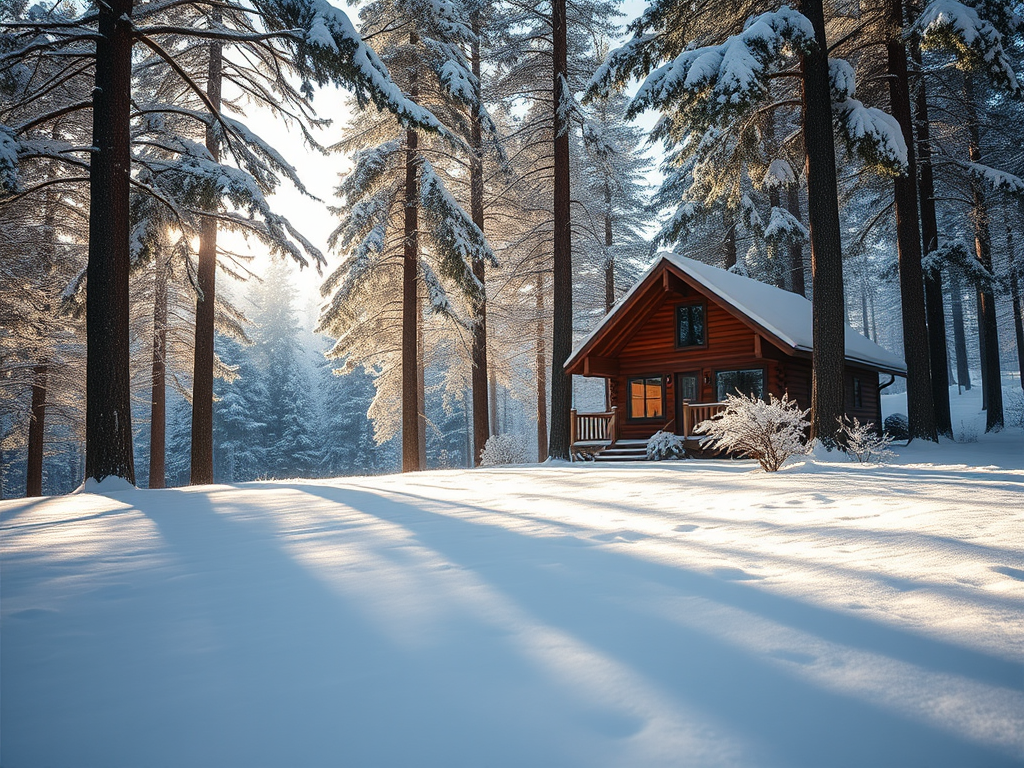
Picture stepping outside to find the world hushed under snow. The trees stood tall, branches heavy with powder. This first snowfall hit without much warning, turning the yard into a sparkling playground. Birds chirped less, and the air carried that crisp bite. You scan the sky, wondering if this layer will build or fade. Homestead mornings like this set the pace for winter—full of beauty and a bit of hustle.
Daily Chores Amidst the Chill
Snow doesn’t stop the basics. First stop: feeding the wild cats that roam the property. They meow at the door, hungry despite the cold. The thermometer reads about 5 degrees, so you bundle up tight. Then, you spot the door ajar—quick fix to keep the warmth in. These small tasks ground you. They remind you that off-grid living means facing the elements head-on, every day.
Preparing the Underground Greenhouse for Winter Deep Freeze
Winter hits hard on a homestead, especially for garden setups. An underground greenhouse offers shelter from the freeze. But prep work starts now, before the ground locks up solid. You dig deeper to bury it right, shielding plants from harsh winds and frost. This setup could mean fresh greens through the cold months. It’s smart planning for self-reliance.
Assessing Excavation Progress
The dig for the in-ground greenhouse shows good headway. One spot sits at five feet deep, another at four. The goal: level it to four feet deep overall, four feet wide, and stretch it to twenty feet long. Snow slows things, but you push on until the soil firms up. If not, a cover will seal it for winter. This depth helps trap heat below ground. It turns a simple pit into a cozy grow space.
Solar Panel Maintenance Under Snow Cover
Snow piles up fast on those panels. Even without sun today, you sweep them clean. Buildup could freeze hard, blocking light for weeks. The greenhouse relies on solar power to stay warm. No sun means maybe firing up the generator later. Keep panels clear to avoid bigger headaches. This routine saves energy in the long run. Off-grid power management demands constant care, especially in first snowfall flurries.
Protecting the Property Entrance
Access matters when snow falls. You grab the shovel to clear a path right away. The truck needs sweeping too—no sense driving with iced windows. This keeps the homestead open for supplies or quick trips. Manual work builds grit. It beats waiting for melt that might not come. Property access maintenance starts simple: one scoop at a time.
Establishing Temporary Vehicle Pathways
Fresh snow opens chances to rethink paths. You mark routes to sheds and the road while it’s soft. This first layer lets you plan without mud or grass in the way. It’s fun, almost like drawing a map on the ground. You hope it lingers, giving winter’s full charm before spring peeks in. Homestead navigation gets a fresh start with each storm.
The Strategy for Snow Path Creation
The beauty of early snow: it shows where paths should go. You carve lines to key spots, like the shop or main drive. No guesswork—just follow the cleared lines. This setup eases moves later, when drifts pile high. Early winter snow retention helps if it sticks around. You dream of it lasting, then melting early for a smooth thaw.
Temporary Framing for Truck Access
A truck half-in the shed keeps the cab clear. You lay 2×6 boards along the sides for a frame. It widens the path just enough without full clear-out. The fit proves tight—mirrors tucked, still a squeeze. But salvaged wood from the recycle pile works free. Adapt and overcome: that’s the homestead way. Temporary driveway solutions like this save time on cold days.
- Grab scrap lumber to edge your path.
- Test the width before driving in.
- Adjust as needed—small tweaks make big differences.
Evaluating Snow Clearing Equipment Limitations
Shoveling works, but slow for big areas. The snowblower sits ready, yet its narrow cut means hours for the drive. Last year, it took a couple to finish. Now, without the quad back from repair, you stick to muscle. That ATV plow blade waits in the shop—once home, it’ll speed things up. Snow removal equipment review shows basics beat nothing. For now, shovel wins the day. You have time, so why rush?
Essential Footwear and Roof Safety Check
Gear counts when snow turns slick. New boots keep feet warm, but grip matters on roofs. You test them climbing up, feeling the slip on metal. Safety first—switch to work boots for better hold. Winter boot reviews highlight this trade-off: cozy versus steady. Homestead tasks demand both.
Testing New Winter Gear
Brother Robin gifted these boots—thanks again. They trap heat well against the chill. But on the snowy metal roof, they slide easy. Last year, different shoes stuck better. Now, you swap for grippy ones mid-job. Warmth fights cold weather chores, yet traction prevents falls. Pick boots that match your terrain.
Addressing Rooftop Solar Cleanup
Upper panels hide snow too. You climb to brush them off, careful on the edge. Some sit high, out of reach for now. Wires on order delay the full fix. Still, clear what you can to keep power flowing. High access solar panel maintenance needs caution. Safety precautions for roof work include good shoes and slow steps. One slip, and the day turns sour.
Repairing Essential Homestead Tools: The Broken Axe
Tools break when you need them most. The splitting axe head popped loose—time to mend it. This old friend split tons of wood already. More logs wait soon. Fixing beats buying new. Essential farm tool maintenance keeps costs low. You roll up sleeves for the task.
Diagnosing the Damage and Retrieval
Spot the issue: handle split, head wedged tight. Grab the sledge to knock it free. Under tape hides haywire that failed to hold. The metal swedge stuck inside. Tool failure hits hard in winter. Axe handle repair starts with force. Pound steady till it gives.
The Process of Re-wedging and Refitting
Drill out the old swedge first—it loosens easy. Hammer the bits away clean. Find the metal wedge to reuse. File the handle end smooth for fit. Shave wood with a jackknife if needed. Hammer the head back on firm. For removing stubborn metal wedges, drilling them out first often proves easiest before hammering the piece free. Re-handling an axe revives a workhorse. This splitting axe has history—lots of chops together.
- Drill the wedged spot.
- Clean and file the handle.
- Tap the head secure.
Testing the Repaired Tool and Enjoying the Break
Give it a swing—holds tight now. Success feels good amid the snow. Fire dies down, so roast hot dogs over coals. It’s an art: turn slow for even char. One side browns longer, the other catches up. Winter break activities mix work with simple joys. Using the repaired splitting axe for upcoming wood splitting tasks will test it real. Grab a wiener and savor the moment.
Conclusion: Adaptation and Resilience in the First Snow
Key Takeaways from the Winter Morning
This day packed lessons in winter prep. Feed the cats, seal the door, clear those panels—small steps build readiness. When gear like the quad lags, shovel takes over. Immediate preparation sets the tone for winter survival. Off-grid life thrives on these routines. You adapt to what’s at hand.
Lessons in Resourcefulness
Salvaged 2x6s framed the path just right. The axe repair saved a tool and time. Even chores hold fun, like perfecting that roast. Problem-solving shines in snow’s glow. Find joy in the fix—it’s what keeps the homestead humming. Next storm? You’ll be set. What’s your go-to winter hack? Share below and keep the off-grid spirit alive.
Visit my YouTube Channel.
Leave a Reply