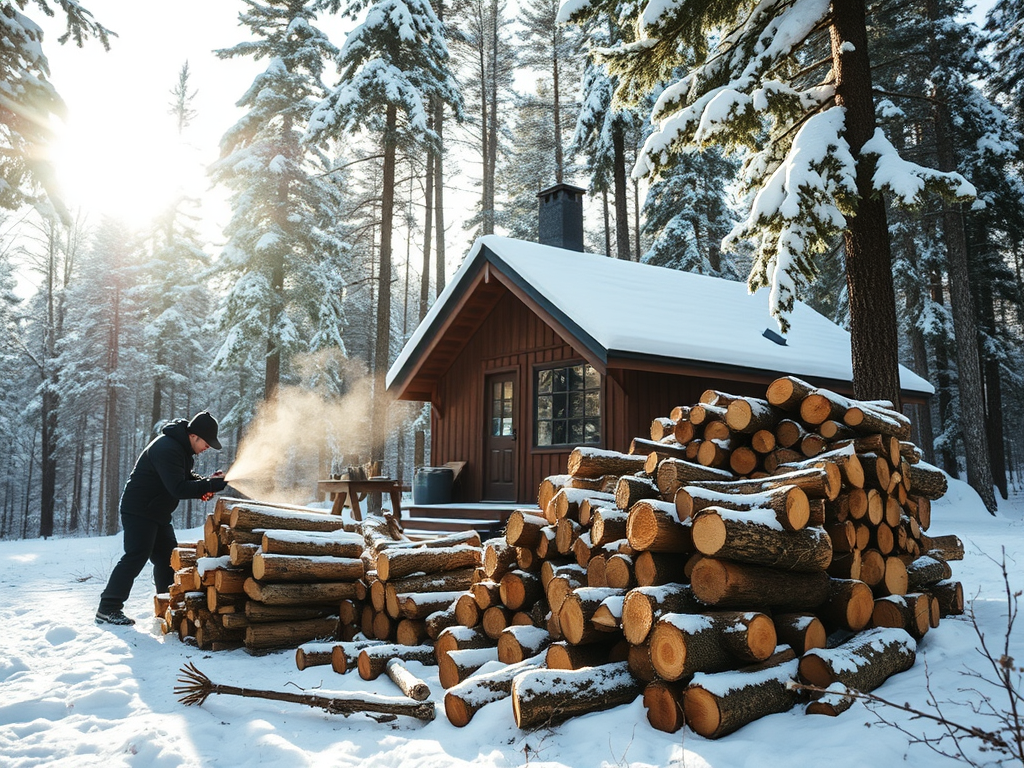
A Comprehensive Guide to Sustainable Firewood Harvesting and Preparation
Winter creeps closer each day. Snow might fall soon, and reports of flurries in nearby cities like Calgary serve as a wake-up call. For those living off-grid, securing a solid wood supply means more than just staying warm—it builds true independence. This guide walks you through the full process of harvesting and preparing firewood, from spotting the right trees to stacking the final load. You’ll learn practical steps that turn hard work into a rewarding routine, all while keeping your property safe and your body moving.
Initial Assessment and Site Preparation: Firewood as Fire Mitigation

Gathering firewood does double duty on an off-grid homestead. It provides heat for the cold months and clears out risks around your living space. In the video, the focus stays on both goals, showing how one task supports the other without extra effort.
Start by looking at your land with fresh eyes. Dead trees and overgrown brush hide dangers, but they also offer free fuel. Tie this work to bigger needs, like expanding a water feature or trail, to make every swing of the axe count.
Assessing Immediate Wood Needs and Inventory
Spot early signs of winter to gauge your stock. If snow hits close by, ramp up your collection right away. The video highlights a push for more wood after hearing about fresh flakes elsewhere.
Check standing deadwood first—it’s dry and ready to burn. Mix in live trees only if they block plans, like a dugout pond extension. This way, you build your pile while improving the yard.
List what you have on hand. Aim for enough to last the season, based on your stove’s burn rate. A quick count of existing stacks helps decide how many cords to add.
Establishing a 150-Foot Fire Break Zone
Clear brush within 150 feet of your cabin to cut fire risks. Dry twigs and leaves can spark fast in windy conditions. The video shows steady work on this zone, pulling out anything that could fuel a blaze.
Follow local rules on brush removal—they often match this distance for safety. Use hand tools for small stuff and a saw for branches. This creates a buffer that protects your home year-round.
Benefits go beyond fire prevention. It opens up views and eases access paths. Regular checks keep the area tidy, saving time during busy prep seasons.
- Remove low branches on live trees.
- Haul away fallen limbs promptly.
- Mulch cleared debris if it fits your setup.
Strategic Felling for Expansion and Fuel
Pick trees that serve multiple purposes. In the video, three get cut to make room for a 20-foot square dugout addition. They provide extra wood without wasting space.
Drop them carefully to avoid damage. Plan the fall direction based on wind and nearby obstacles. This method turns a chore into progress on your land.
Harvest yields more than logs—brush cleanup follows naturally. Stack the pieces as you go to stay organized. Soon, your supply grows while the site improves.
The Cutting Process: Efficiency in Bucking and Power Tool Maintenance
Breaking down trees into usable sizes takes skill and the right gear. Bucking means cutting logs into shorter lengths for easy handling. The video demonstrates a smooth flow that saves time and energy.
Focus on safety first—wear gloves and eye protection. Work in clear areas to avoid slips on uneven ground. These steps let you process wood without setbacks.
Power tools speed things up, but they need care to perform well. A reliable chainsaw handles the bulk of the job if maintained right.
Initial Bucking for Transport Portability
Cut felled trees into five-foot chunks right at the site. This size fits wheelbarrows or trailers without strain. The video uses this approach to move wood to the shed area.
Larger logs weigh too much to drag alone. Shorter sections roll or lift with less hassle. Test a few cuts to find your rhythm.
Once sectioned, sort rounds by size. Bigger ones go for splitting later. This prep makes the whole day flow better.
Essential Power Saw Care: The Sharp Chain Advantage

A 45cc chainsaw punches above its weight when the chain stays sharp. Dull blades bog down and tire you out fast. The video praises this tool after a full day of cuts.
Sharpen after every few hours of use. File the teeth at the right angle for clean slices. Oil the bar often to prevent binding.
Store it dry and covered when done. Clean sawdust buildup to extend life. Good maintenance means fewer repairs mid-winter.
- Check tension before each start.
- Run at full throttle for straight cuts.
- Pause to cool if it heats up.
Utilizing Utility Vehicles for Hauling
Turn a wheelbarrow into a quad trailer for heavy loads. Load chunks and pull them across rough terrain. The video grabs one more trip this way to build the pile.
ATVs or simple carts work too, depending on your setup. They cut hauling time in half compared to arm-carrying. Secure loads with straps to avoid spills.
Map your route ahead—avoid soft spots that bog you down. This keeps momentum high during long sessions.
Fueling the Workday: The Importance of Strategic Breaks and Nutrition
Physical jobs like wood prep demand smart pauses. Without them, fatigue sets in quick. The video shifts to lunch after morning cuts, showing a real break in action.
Eat to keep energy steady—simple foods do the trick. Hydrate often, even in cool weather. These habits sustain you through afternoon tasks.
Rest also clears your mind. Step back from the noise and dust for a bit. Return refreshed and focused.
The Necessity of Fueling Up Between Processing Stages
Take a break after bucking but before splitting. This splits the day into manageable parts. The video aims to finish all in one go, with lunch as the pivot.
Sit in a shady spot if the sun warms up. Remove layers like a toque to stay comfortable. Short rests prevent burnout.
Plan ahead for weather shifts. A warm day turns sweaty fast during off-grid work.
Preparing Simple, High-Energy Meals On-Site
Fry toast without a toaster—heat it in a pan for crisp edges. Add meat to a sandwich for protein punch. The video whips up spiced tea to pair with it.
Use what you have: bread, slices, and herbs from the pantry. Cook over a small fire if no stove sits nearby. This meal fuels muscles without fancy tools.
Taste as you go—adjust spices for flavor. A quick prep keeps you from rushing back too soon.
- Pack nuts for extra snacks.
- Brew tea in a thermos for warmth.
- Eat slowly to savor the moment.
Actionable Tip: Enjoying the Fruits of Your Labor
Bite into your handmade sandwich with pride. You’ve earned it after hours of sweat. The video notes bias in self-praise, but the taste hits different.
Share the moment if a pet wanders by—they might beg for a scrap. This light touch boosts your mood. Carry that satisfaction into the next chore.
Splitting Techniques: From Rough Cut to Ready-to-Stack Wood
Splitting turns rounds into burnable pieces. It needs the right swing and tool choice. The video moves from cutting to this stage with ease.
Aim for even splits to stack tight. Wet wood seasons better in smaller chunks. Dry it under cover for quick use.
Stack as you split to save steps later. This workflow wraps the day neatly.
Selecting the Right Tool for the Job
Grab a splitting axe for thick logs—it wedges deep on the first hit. Switch to a double-bladed axe for finer work. The video uses both to handle variety.
Heavy heads drive through knots easier. Light handles reduce arm strain over time. Match tools to log size for best results.
Sharpen edges before starting. Dull blades glance off and waste effort.
The Splitting and Stacking Workflow
Finish all cuts first, then split the pile. Work from largest to smallest for flow. The video stacks right after to claim the win.
Hit the end grain straight on. Let gravity help on a chopping block. Avoid over-swinging to stay safe.
Once split, arrange in rows by size. This dries evenly and fits your shed.
- Place larger pieces at the base.
- Interlock for stability.
- Cover tops against rain.
The Value Proposition: Independence vs. Purchasing Firewood
Self-harvesting beats buying for many off-grid folks. It costs less and ties you to your land. The video weighs the effort against a few hours at a job.
Purchasing saves time but hands over control. Stack bought wood anyway—labor stays the same. Choose based on your goals.
Independence shines in the process. You manage your forest on your terms.
Quantifying the Work: A Day’s Yield
One solid day nets almost three full rows. That’s progress toward winter heat. The video counts two full plus one near-done.
Track your hours—four or five build a load. Pace yourself to avoid injury. Results motivate the next round.
Compare to store prices: home wood pays off quick.
The Independence Factor: Control Over Supply and Land Management
Step into your woods for deadfall and risk reduction. Clear trails as a bonus. The video ties this to fun despite the sweat.
No middleman means steady supply. Handle fire hazards yourself. This builds skills for full self-reliance.
Own the process from tree to flame.
Actionable Tip: Staying Active for Longevity
Keep moving to stay loose—stop and you stiffen up. Hard work like this keeps you fit. The video warns that idleness speeds decline.
Groove through the routine; it sharpens body and mind. Tie chores to health goals. Motion equals life.
Conclusion: Accomplishment, Energy, and Never Giving Up
A full day of felling, cutting, splitting, and stacking leaves you with a growing wood pile and a sense of win. You’ve prepped for off-grid heating while tending your land and body. Sustainable firewood harvesting builds more than stacks—it fosters independence and vigor.
Embrace the labor as your path to warmth and strength. Next time snow threatens, you’ll stand ready. Keep pushing forward; dreams stay alive through steady action. Start your own harvest today—what’s stopping you? See more on my YouTube Channel
Leave a Reply