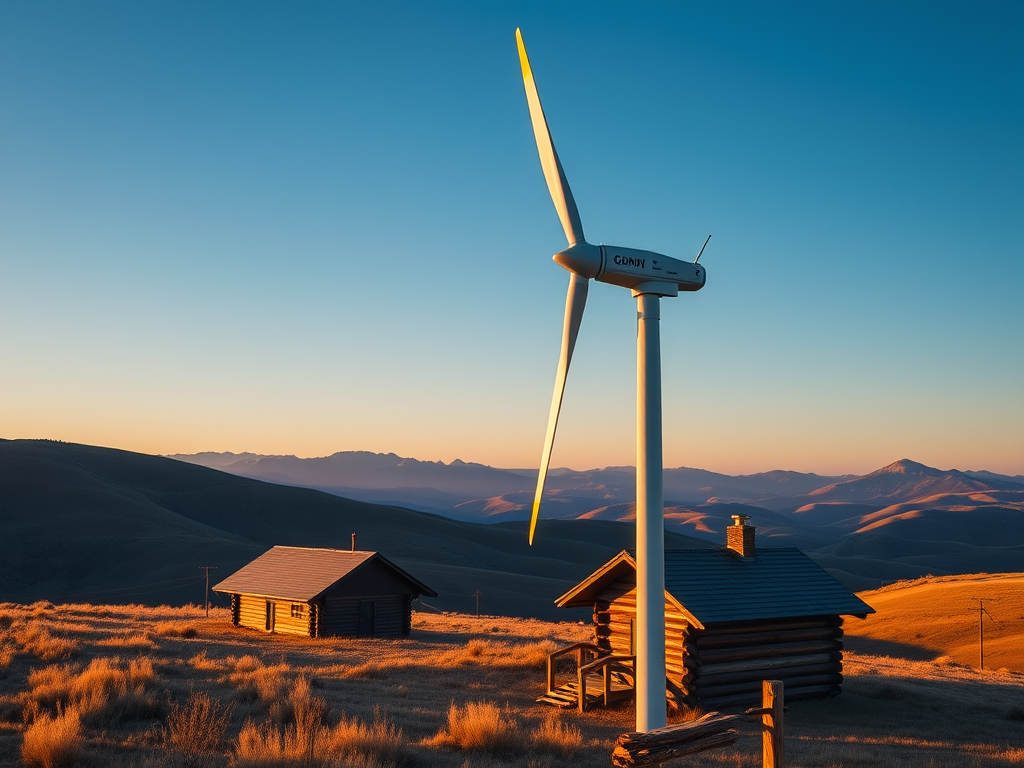
Powering Independence Sustainably
Living off the grid is about freedom—freedom from rising utility bills, fragile infrastructure, and centralized systems that don’t always serve rural or remote lifestyles. At the heart of many successful off-grid systems is renewable energy, and among the available options, wind turbines can play a powerful supporting role. When used correctly, wind power helps create a resilient, year-round energy system that complements solar and battery storage.
Why Wind Power Makes Sense Off Grid
Off-grid living demands reliability. Solar panels are excellent during long sunny days, but they naturally struggle during cloudy weather and short winter daylight hours. This is where wind turbines shine. Wind energy often peaks at night, during storms, and in winter—exactly when solar output drops.
Wind turbines convert the kinetic energy of moving air into electrical power, allowing homesteaders to generate electricity whenever the wind blows. In windy areas, a modest turbine can significantly reduce generator runtime, saving fuel and maintenance costs while increasing energy independence.
Ideal Locations for Wind Turbines
Not every off-grid property is ideal for wind power. Turbines perform best in open areas with consistent wind speeds of at least 9–12 mph (4–5 m/s). Hilltops, ridgelines, open plains, coastal regions, and agricultural land tend to be excellent locations.
Trees, buildings, and terrain can disrupt airflow, so turbines should be mounted high enough to access smooth, uninterrupted wind—typically at least 30 feet above nearby obstacles. Before investing, many off-grid homeowners use anemometers or local wind data to confirm long-term wind viability.
Wind Turbines as Part of a Hybrid Energy System
For most off-grid setups, wind works best as part of a hybrid system rather than a standalone solution. Combining wind turbines with solar panels and battery storage creates a balanced and robust system.
- Solar panels perform best during sunny days
- Wind turbines often produce power at night and during storms
- Battery banks store energy for calm or cloudy periods
- Backup generators provide emergency reliability
This layered approach reduces dependence on any single energy source and ensures consistent power throughout the year.
Benefits of Wind Power for Off-Grid Living
One of the biggest advantages of wind turbines is continuous energy potential. Unlike solar panels, turbines can produce power 24/7 when conditions are right. Over time, this reduces fuel consumption, operating costs, and environmental impact.
Wind energy is also clean and renewable, producing no emissions during operation. Once installed, operational costs are minimal, making wind turbines a strong long-term investment for self-sufficient living.
For off-grid households using wood heat, diesel heaters, or electric tools, reliable wind power can mean less generator noise, fewer fuel runs, and greater overall comfort.
Challenges and Considerations
Wind turbines aren’t without challenges. Initial costs include the turbine, tower, wiring, charge controller, and installation. Maintenance is also required, especially in cold climates where ice buildup and extreme winds are concerns.
Noise and vibration may be factors, particularly in smaller properties. Proper siting and selecting quality equipment help minimize these issues. Local zoning regulations or setback requirements should also be reviewed before installation.
Is Wind Right for Your Off-Grid Lifestyle?
Wind turbines aren’t a one-size-fits-all solution, but for the right location and lifestyle, they can be a game-changer. If your property has consistent wind and you value energy independence, wind power can dramatically strengthen your off-grid system.
When thoughtfully integrated with solar, batteries, and efficient energy habits, wind turbines help create a self-reliant, resilient, and sustainable way of life—exactly what off-grid living is all about.
Leave a Reply